Oolong Tea for Weight Loss: Research-Backed Benefits & How to Use
Oolong tea for weight loss has become a go-to choice for people looking to support their weight management naturally. This partially oxidized tea from the Camellia sinensis plant sits between green and black tea, offering unique compounds that may help boost metabolism, enhance fat burning, and support healthier body composition over time.
Important: The information in this article is for educational purposes only and does not constitute medical or nutritional advice. Always consult a qualified healthcare provider before starting any new dietary supplement or weight loss regimen, especially if you have underlying health conditions or take medications.
Oolong Tea And Weight Loss
Oolong tea weight loss support comes from its rich blend of caffeine, polyphenols, and catechins. These compounds work together to influence how your body processes and stores fat. Unlike fully oxidized black tea or unoxidized green tea, oolong undergoes partial fermentation, creating a unique chemical profile with polymerized polyphenols absent in other teas.
The tea stimulates lipolysis—the breakdown of fat stored in cells—by triggering the release of fatty acids into the bloodstream. Caffeine plays a central role here, acting directly on lipid droplets rather than relying solely on hormone-sensitive enzymes. At the same time, catechins may block dietary fat absorption by inhibiting pancreatic lipase, the enzyme responsible for breaking down fats during digestion.
Beyond fat metabolism, oolong tea influences energy expenditure. Your body burns slightly more calories when you drink it regularly, contributing to a modest but measurable increase in daily calorie burn. This effect, combined with its impact on fat oxidation, makes oolong tea a practical addition to a balanced diet and active lifestyle.
One key advantage: oolong tea contains higher amounts of epigallocatechin gallate (EGCG) than black tea, a potent antioxidant linked to metabolic benefits. The partial oxidation process preserves these compounds while creating new polyphenolic structures that may enhance fat-burning pathways.
How Oolong Tea Differs from Green and Black Tea
All three teas come from the same plant, but processing makes the difference. Green tea leaves are quickly steamed to halt oxidation, preserving catechins. Black tea leaves are fully oxidized, producing theaflavins and thearubigins. Oolong sits in the middle—partially oxidized—retaining both monomeric catechins and forming polymerized polyphenols that green tea lacks.
This unique composition gives oolong a dual advantage: the fat-burning catechins of green tea and the complex polyphenols that may slow fat absorption.
Does Oolong Tea Really Help Your Waistline?
Yes, but the effect is modest and works best alongside healthy eating and regular movement. Research shows that hot tea consumption was inversely associated with obesity, with tea consumers having lower mean waist circumference and lower BMI compared to non-consumers.
Interestingly, iced tea showed the opposite pattern—higher consumption correlated with greater BMI and waist circumference, likely due to added sugars in commercial iced tea products.
Aged oolong tea extracts decreased high-fat diet-induced body weight and fat accumulation in mice, while also improving cholesterol profiles and reducing the size of fat cells. The mice receiving oolong extracts showed increased phosphorylation of AMPK and ACC—enzymes central to energy metabolism and fat oxidation.
The key takeaway: oolong tea isn’t a magic bullet, but it can support gradual, sustainable fat loss when part of a broader healthy lifestyle.
What About Waist Circumference and Belly Fat?
Waist circumference matters because it reflects visceral fat—the type stored around internal organs and linked to metabolic disease. The NHANES data showed that hot tea consumers had lower mean waist circumference than non-drinkers, suggesting that regular oolong tea consumption may help manage this risky fat depot over time.
Animal research found that oolong tea extracts reduced the size of adipocytes in the epididymal fat of mice, indicating that the tea may influence how fat cells grow and store lipids. Smaller, healthier fat cells are associated with better insulin sensitivity and lower inflammation.
The science on oolong tea for weight loss is promising but still evolving. The mechanisms are well-documented: increased fat oxidation, reduced fat absorption, and slightly higher calorie burn throughout the day.
A mouse study demonstrated that oolong tea extracts enhanced serum high-density lipoprotein cholesterol levels while decreasing triglycerides, total cholesterol, and low-density lipoprotein cholesterol. These changes suggest that oolong tea doesn’t just affect weight—it also improves lipid profiles, which are critical for cardiovascular health.
Another key finding: oolong tea extracts increased the phosphorylation of AMPK and ACC in mice. AMPK is often called the body’s “metabolic master switch” because it activates pathways that burn fat and glucose for energy while shutting down fat storage. ACC phosphorylation inhibits fatty acid synthesis, meaning your body makes less new fat.
The same study showed that oolong tea down-regulated the expression of fatty acid synthase, TNF-α, and iNOS, enzymes and inflammatory markers linked to obesity and metabolic dysfunction. By reducing inflammation and fatty acid production, oolong tea may address some of the root causes of weight gain, not just the symptoms.
The dose used was moderate—well within what most people can comfortably drink—and no serious side effects were reported.
Observational data from the NHANES surveys adds weight to these findings. The study evaluated tea consumption in a sample of 6,472 adults from the 2003–2006 NHANES surveys, and found that hot tea drinkers had better metabolic markers across the board. While this doesn’t prove causation, it suggests a real-world association between tea consumption and healthier body composition.
Does Oolong Tea Help Diet and Losing Weight?
Oolong tea works best when it complements—not replaces—a balanced diet and regular physical activity. It can make your efforts more effective by enhancing fat burning, reducing fat absorption, and supporting metabolic health. Think of it as a helpful tool, not a standalone solution.
One reason oolong tea fits well into weight loss diets: it’s virtually calorie-free when consumed plain. You get the metabolic benefits without adding sugar or calories, unlike many commercial weight loss drinks.
Oolong tea may also help manage hunger and cravings. The warm beverage itself can be soothing, and the ritual of preparing and sipping tea may help slow down eating patterns.
Another practical benefit: oolong tea supports digestion. Polyphenols in the tea may promote a healthier gut microbiome, which is increasingly recognized as a factor in weight regulation. Both green tea and oolong tea increased the richness and diversity of intestinal microbiota in animal studies, suggesting that regular consumption may foster beneficial bacteria that support metabolism.
Common Mistakes When Using Oolong Tea for Weight Loss
- Adding sugar or sweeteners: This negates the calorie-free advantage and can spike blood sugar, undermining fat-burning efforts.
- Drinking only iced, pre-sweetened versions: Research shows that increased iced tea consumption was associated with higher BMI and greater waist circumference, likely due to added sugars.
- Expecting rapid results: Oolong tea supports gradual weight loss over weeks and months, not dramatic overnight changes.
- Skipping other healthy habits: Tea alone won’t offset a poor diet or sedentary lifestyle. It works best as part of a comprehensive approach.
- Over-relying on caffeine: Drinking excessive amounts for the caffeine boost can lead to jitteriness, sleep disruption, and tolerance, reducing its effectiveness.
Oolong Tea Weight Loss: How This Tea Supports Metabolism
Oolong tea influences metabolism through several interconnected pathways. First, it increases thermogenesis—the process by which your body generates heat and burns calories.
Second, oolong tea enhances fat oxidation. This means your body preferentially burns fat for fuel rather than storing it. The catechins and caffeine in oolong work synergistically to activate fat-burning enzymes and increase the release of fatty acids from adipose tissue.
Third, oolong tea may reduce fat absorption in the gut. Catechins inhibit pancreatic lipase, the enzyme that breaks down dietary fats into absorbable molecules. By slowing this process, less fat enters your bloodstream and more is excreted.
Fourth, oolong tea activates AMPK, a key regulator of cellular energy. Oolong tea extracts increased the phosphorylation of AMPK and ACC in mice, signaling the body to burn stored fat and glucose while inhibiting new fat synthesis. This dual action—burning existing fat and preventing new fat storage—makes oolong particularly effective for weight management.
Finally, oolong tea may help regulate blood sugar. Stable blood sugar means fewer cravings, more consistent energy, and less insulin-driven fat storage.
How Much Oolong Tea Should You Drink?
The key is consistency: drinking oolong regularly over weeks and months, not sporadically.
Some people are more sensitive to caffeine and may experience jitteriness or sleep disruption if they drink too much, especially later in the day.
Avoid drinking oolong tea on an empty stomach if you have a sensitive digestive system. The polyphenols can be astringent and may cause mild stomach upset in some individuals. Pairing tea with meals or a small snack can help prevent this.
Oolong Tea – Your Fat-Burning Super Drink: Best Practices and Timing
To maximize oolong tea’s weight loss benefits, timing and preparation matter. Drinking oolong tea before or during meals may enhance fat oxidation and reduce fat absorption. The catechins work best when they’re present in your digestive system as dietary fats arrive, allowing them to inhibit lipase activity and limit fat uptake.
Morning consumption is popular because the caffeine provides a natural energy boost without the crash associated with coffee. Drinking oolong tea in the morning can also kickstart your metabolism, setting the stage for increased calorie burn throughout the day.
Avoid drinking oolong tea late in the evening, especially if you’re sensitive to caffeine. Poor sleep disrupts hormones that regulate hunger and metabolism, potentially undermining your weight loss efforts. Aim to finish your last cup by mid-afternoon to ensure it doesn’t interfere with sleep quality.
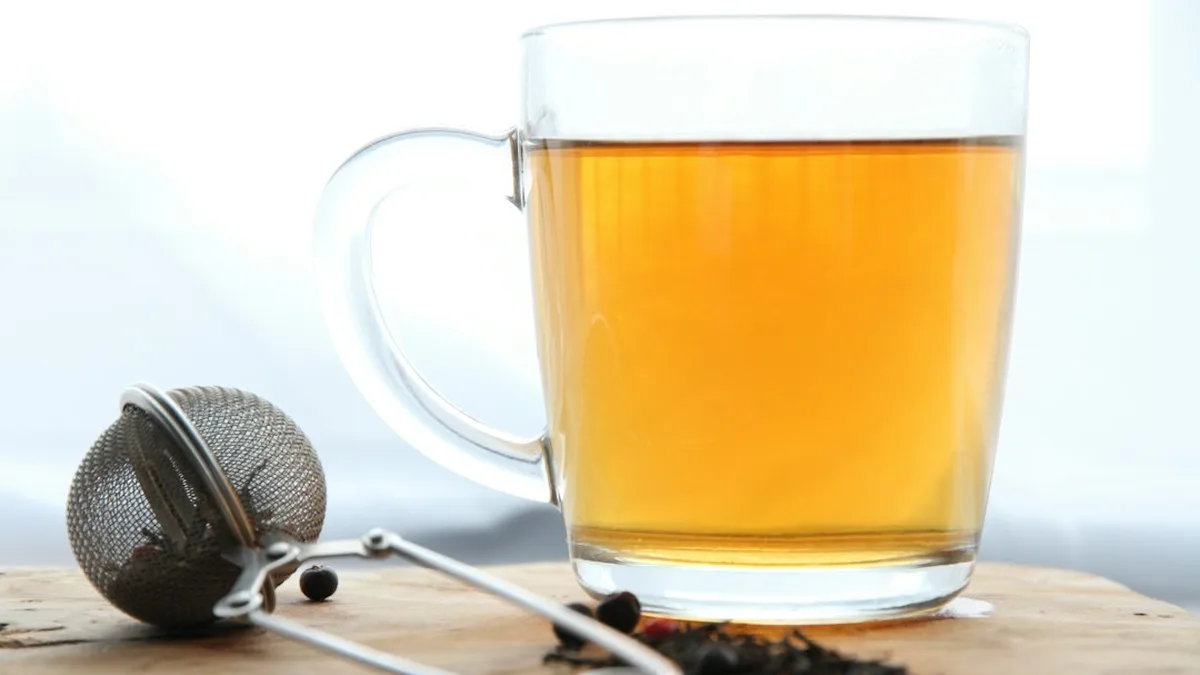
Steep for three to five minutes, depending on your taste preference. Loose-leaf oolong generally offers higher quality and more potent compounds than tea bags.
Choosing the Right Oolong Tea
Not all oolong teas are created equal. The degree of oxidation varies widely, from lightly oxidized (closer to green tea) to heavily oxidized (closer to black tea). Lightly oxidized oolongs tend to have more catechins, while darker oolongs have more polymerized polyphenols.
For weight loss, either style works, but lightly oxidized oolongs may offer slightly higher EGCG content. Popular varieties include Tie Guan Yin (Iron Goddess of Mercy), Da Hong Pao (Big Red Robe), and Dong Ding. Look for high-quality, organic options when possible to minimize pesticide exposure.
Aged oolong teas, which have been stored for years, develop unique flavor profiles and may offer additional benefits. Aged oolong tea extracts decreased high-fat diet-induced body weight and fat accumulation in mice, suggesting that aging may enhance certain bioactive compounds.
Frequently Asked Questions
What is the no. 1 weight loss drink?
There’s no single “number one” weight loss drink, as effectiveness depends on individual metabolism, diet, and lifestyle. Water remains the most essential beverage for weight management, supporting hydration and metabolism without calories.
What is the most powerful tea for weight loss?
Oolong tea and green tea are both considered highly effective for weight loss, each with distinct advantages. Green tea contains more total catechins, which support fat oxidation, while oolong tea has polymerized polyphenols that may reduce fat absorption.
Is oolong tea good for lowering triglycerides?
Oolong tea extracts enhanced serum high-density lipoprotein cholesterol levels while decreasing triglycerides, total cholesterol, and low-density lipoprotein cholesterol in animal studies. The catechins in oolong activate enzymes that break down triglycerides, contributing to improved lipid profiles and cardiovascular health over time.
What’s the best time to drink oolong tea?
The best times to drink oolong tea for weight loss are in the morning and before or with meals. Morning consumption provides an energy boost and kickstarts metabolism, while drinking tea with meals may enhance fat oxidation and reduce dietary fat absorption. Avoid drinking oolong tea late in the evening if you’re sensitive to caffeine, as it may disrupt sleep and negatively impact weight management hormones.
Additional Benefits Beyond Weight Loss
Oolong tea offers health benefits that extend well beyond the scale. Its antioxidant properties help combat oxidative stress, which is linked to aging, inflammation, and chronic disease. Regular consumption may support cardiovascular health by improving cholesterol profiles and reducing arterial inflammation.
Hot tea consumption was associated with increased high-density lipoprotein-associated cholesterol and decreased C-reactive protein, both markers of better heart health. Lower C-reactive protein levels indicate reduced systemic inflammation, which is a risk factor for heart disease, diabetes, and other metabolic conditions.
Oolong tea may also support blood pressure regulation. Oolong tea can prevent hypertension induced by a high-salt diet, and in one study, oolong tea presented better anti-hypertensive effects than green tea in rats. This suggests that oolong’s unique polyphenol profile may offer cardiovascular protection beyond what green tea provides.
Mental clarity and stress reduction are other reported benefits. The combination of caffeine and L-theanine (an amino acid in tea) promotes calm focus without the jitters. Many people find that oolong tea helps them stay alert and productive while managing stress more effectively than coffee.
Oolong Tea vs. Green Tea for Weight Loss: A Detailed Comparison
| Feature | Oolong Tea | Green Tea |
|---|---|---|
| Key Compounds | Catechins + polymerized polyphenols | High catechin content (especially EGCG) |
| Fat Oxidation | Enhances fat burning and reduces fat absorption | Primarily enhances fat burning |
| Metabolic Activation | Activates AMPK, inhibits fat synthesis | Activates thermogenesis, increases calorie burn |
| Taste Profile | Smooth, complex, floral to roasted | Grassy, vegetal, sometimes astringent |
| Best For | Those seeking balanced flavor and dual fat-loss mechanisms | Those preferring lighter taste and high catechin content |
Potential Side Effects and Precautions
Oolong tea is generally safe for most people when consumed in moderate amounts. However, it does contain caffeine, which can cause side effects in sensitive individuals or when consumed in excess. Common caffeine-related side effects include jitteriness, rapid heartbeat, headaches, and difficulty sleeping.
If you’re pregnant, breastfeeding, or have a medical condition such as anxiety, heart problems, or high blood pressure, consult your healthcare provider before adding oolong tea to your routine. Caffeine crosses the placenta and enters breast milk, so moderation is especially important during pregnancy and lactation.
Oolong tea may interact with certain medications. It can affect the absorption of iron, so if you have anemia or take iron supplements, drink tea between meals rather than with them. The caffeine in oolong may also interact with stimulant medications, blood thinners, and some antibiotics.
Some people experience digestive upset, especially when drinking oolong tea on an empty stomach. The polyphenols can be astringent and may irritate the stomach lining. If this happens, try drinking tea with food or reducing the steeping time to make a milder brew.
Conclusion: Making Oolong Tea Part of Your Weight Loss Strategy
Its unique blend of catechins, polymerized polyphenols, and caffeine supports fat burning, reduces fat absorption, and activates key metabolic pathways.
The evidence is clear: regular oolong tea consumption is associated with lower BMI, smaller waist circumference, and improved lipid profiles. While the effects are modest—this isn’t a miracle cure—they are real and sustainable.
Start by choosing a high-quality oolong tea that suits your taste. Experiment with timing—morning, before meals, or mid-afternoon—to find what works best for your schedule and metabolism. Keep it simple: brew with hot (not boiling) water, steep for three to five minutes, and enjoy it plain to maximize benefits.
Remember, oolong tea is a complement to—not a replacement for—healthy eating, regular movement, and adequate sleep. When integrated into a holistic approach, it can make your weight loss journey more effective and enjoyable.
Final Reminder: This article provides general information about oolong tea and weight loss. It is not a substitute for professional medical, nutritional, or dietary advice. Always consult a qualified healthcare provider before making significant changes to your diet or starting any new supplement, especially if you have existing health conditions or are taking medications.