Yogi Green Tea: Product Details, Certifications & Safety Facts
Yogi Green Tea offers several certified organic blends, including Pure Green and Super Anti-oxidant varieties. These teas combine traditional green tea leaves with herbal ingredients, providing options for consumers seeking antioxidant support and natural energy. Understanding product specifications, certifications, preparation methods, and documented safety considerations helps buyers make informed choices.
Disclaimer: This article is for informational purposes only and does not constitute medical or health advice. Consult a qualified healthcare provider before using any herbal tea for health purposes, especially if you have preexisting conditions or take medications.
Product Specifications and Packaging
Yogi Green Tea products come in standardized packaging with clear labeling.
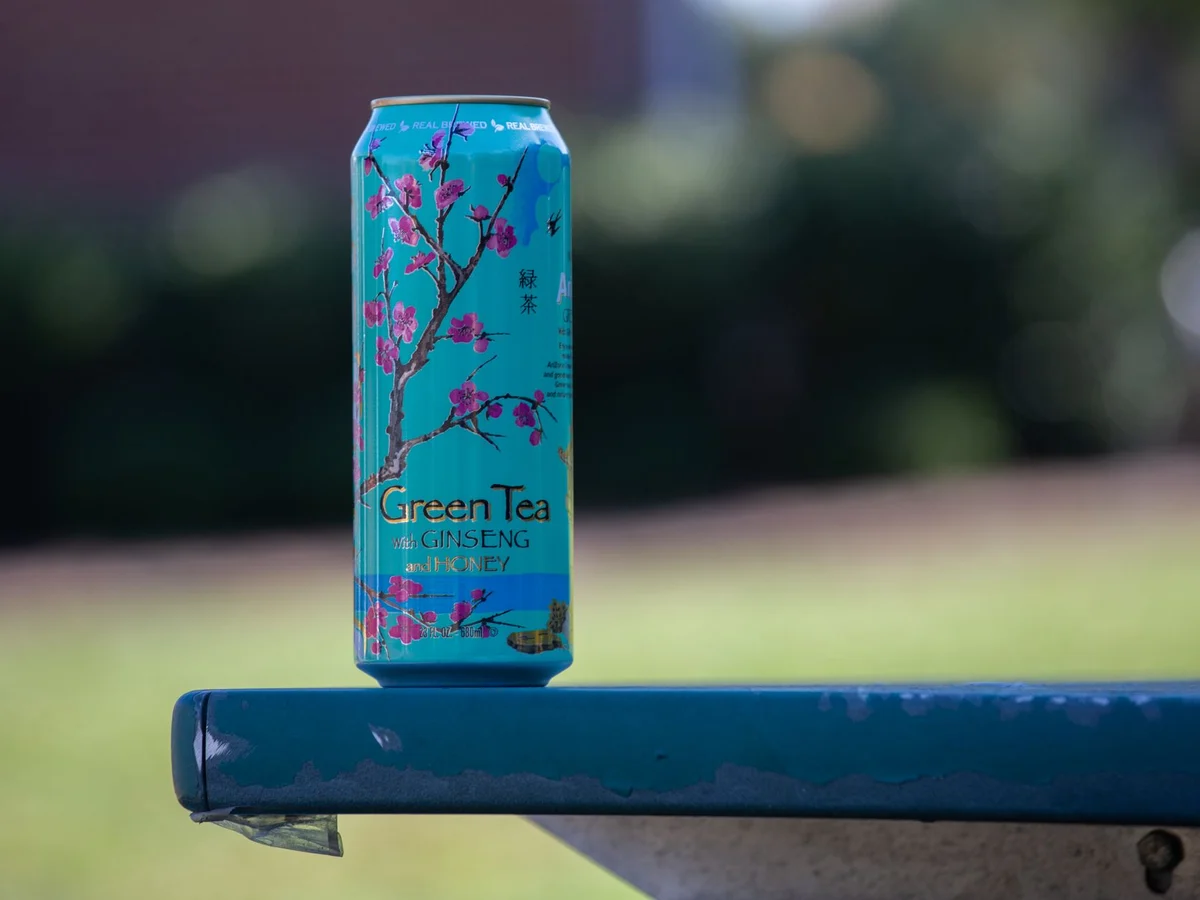
Packaging design emphasizes transparency. Each box displays ingredient lists, preparation instructions, and certification logos. The individually wrapped tea bags use compostable materials in the Pure Green line, addressing environmental concerns common among health-conscious buyers. This packaging approach reduces waste while preserving tea quality through individual sealing.
Manufacturing takes place in the United States for the Super Anti-oxidant variety. The Pure Green line is produced in the first LEED-Certified tea production facility in the world, demonstrating the brand’s commitment to sustainable manufacturing practices. These facilities follow organic handling protocols to maintain certification standards throughout production.
Certifications and Quality Standards
Yogi Green Tea products carry multiple third-party certifications that verify quality and sourcing claims. Understanding what each certification means helps consumers evaluate whether the product meets their personal standards.

The USDA Organic certification applies to both Pure Green and Super Anti-oxidant varieties. Organic farming practices typically involve crop rotation, natural pest management, and soil health maintenance.
Non-GMO Project Verification provides independent confirmation that products avoid genetically modified ingredients. This third-party verification involves supply chain tracing and periodic testing. For consumers concerned about agricultural biotechnology, this certification offers documented assurance beyond manufacturer claims.
Additional certifications include:
- Kosher certification, confirming compliance with Jewish dietary laws
- Vegan certification, verifying no animal-derived ingredients or processing aids
- Rainforest Alliance Certification for Pure Green, indicating sustainable farming practices that protect ecosystems and worker welfare
- Gluten-free status for Pure Green, relevant for consumers with celiac disease or gluten sensitivity
The brand holds Certified B Corporation status, meeting verified standards of social and environmental performance, accountability, and transparency. Yogi is also a member of the Ethical Tea Partnership, an organization that works to improve working conditions and environmental standards in tea-producing regions.
Caffeine Content and Ingredient Composition
Caffeine levels vary by product line.
Yogi Green Tea Pure Green uses high-quality Organic Green Tea leaves as its sole ingredient. This single-ingredient composition appeals to consumers seeking pure green tea without additional herbs or flavors. The Super Anti-oxidant variety blends green tea with additional herbal ingredients designed to complement the base tea’s properties.
Neither variety contains artificial flavors or sweeteners. This formulation approach relies on the natural flavor profile of tea leaves and any added herbs, without synthetic enhancement. Consumers seeking to avoid artificial additives can verify this through the ingredient label and certification standards.
Preparation Methods and Consumption Guidance
Proper preparation affects both flavor and the release of beneficial compounds. This relatively short steeping time helps prevent excessive bitterness while extracting flavor and antioxidants.
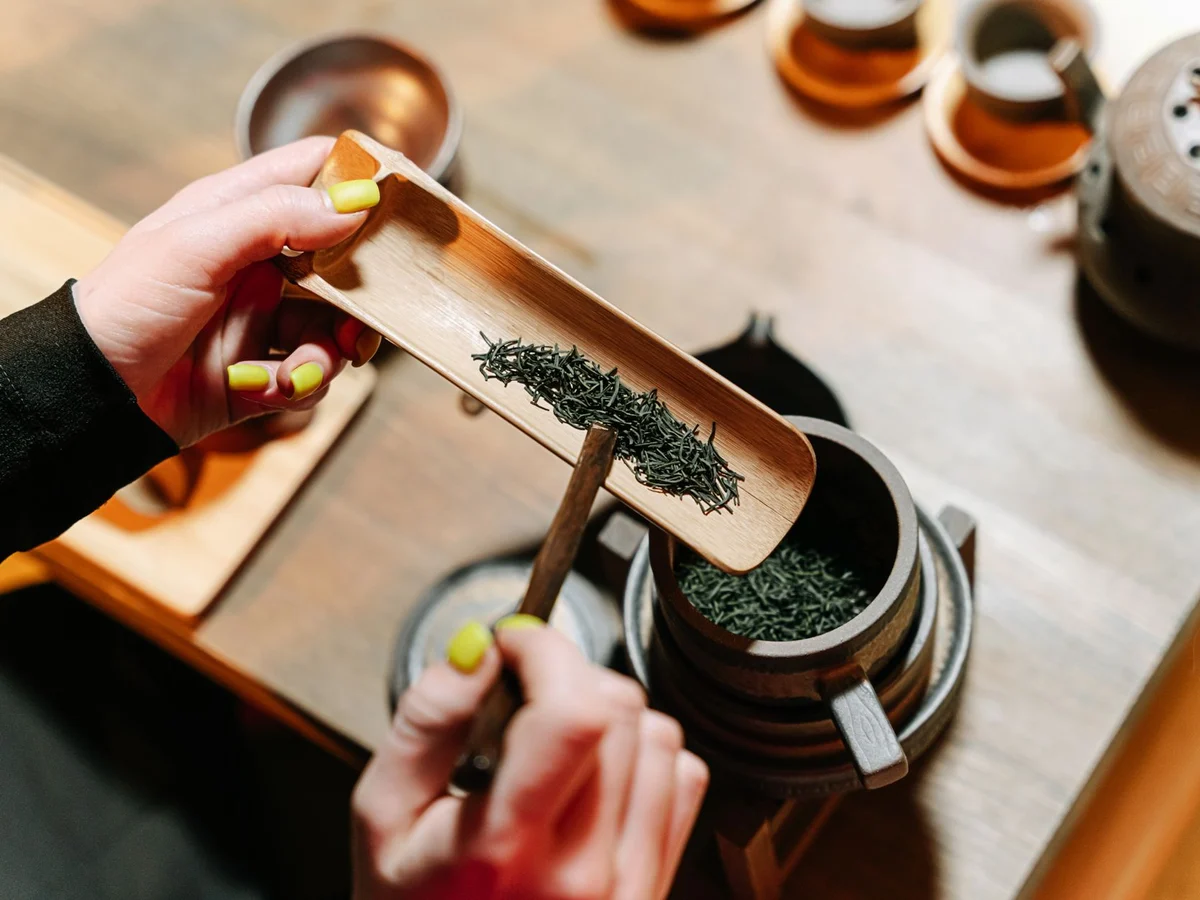
Longer steeping can increase bitterness and astringency due to higher tannin extraction. Using multiple bags maintains flavor balance while increasing concentration.
This longer range accommodates the herbal blend, allowing additional ingredients beyond green tea to fully infuse. Water temperature should be just at boiling point for optimal extraction.
Preparation variables that affect final results include:
- Water quality: filtered or spring water typically produces cleaner flavor than heavily chlorinated tap water
- Steeping vessel: ceramic or glass teapots preserve flavor better than metal, which can impart metallic notes
- Timing precision: using a timer ensures consistency across multiple preparations
Both varieties can be enjoyed hot or iced. For iced tea, prepare as directed with hot water, then cool and pour over ice. Cold brewing is an alternative method some consumers prefer, though official preparation instructions focus on hot steeping.
Intended Uses and Traditional Context
Yogi Green Tea Pure Green is recommended for overall health support due to its antioxidant properties. Modern interest focuses on antioxidant compounds called catechins, which are naturally present in green tea leaves.
The Pure Green variety positions itself as a daily wellness tea rather than a treatment for specific conditions. Marketing materials emphasize the tea as part of a “journey to vitality,” framing consumption as a lifestyle choice rather than medical intervention. This approach aligns with the traditional use of green tea as a regular beverage in Asian cultures.
The Super Anti-oxidant blend is designed to deliver antioxidants in every cup through its combination of green tea and complementary herbs.
Common reasons consumers choose these products include:
- Seeking a lower-caffeine alternative to coffee
- Wanting certified organic beverage options
- Looking for traditional wellness practices to incorporate into daily routines
- Preferring natural, minimally processed drinks over sugary beverages
- Supporting sustainable and ethical sourcing practices
The brand frames tea consumption as a “meditative escape,” suggesting a mindfulness component beyond physical consumption. This positioning appeals to consumers interested in both the beverage itself and the ritual of tea preparation and drinking.
Safety Considerations and Documented Adverse Events
While green tea is generally consumed safely by millions worldwide, documented adverse events associated with herbal tea products warrant attention. Healthcare providers and consumers should be aware of potential risks, particularly with intensive consumption patterns or specific product formulations.
The patient reported consuming Yogi Detox herbal tea three times a day for 14 days prior to the onset of symptoms, according to a case report published in the National Institutes of Health database. The patient experienced symptoms including weakness, lethargy, scleral icterus, jaundice, and worsening mental status.
The patient had a past medical history of hypertension and obesity but no preexisting liver disease. Liver tests were elevated in the patient with acute fulminant liver failure, and an ultrasound-guided liver biopsy showed submassive necrosis, as documented in the same case report.
This case highlights important context about herbal supplement safety. The prevalence of acute liver failure from herbal supplements increased from 7% to 20% between 2007 and 2013 according to the Drug-Induced Liver Injury Network (DILIN), as cited in the published medical literature.
For broader context, in a study of 308 patients, drug reactions were the presumptive cause of acute liver failure in 52% of cases, according to research referenced in the NIH case report. Common medication offenders for acute liver failure include acetaminophen, mushrooms, and antiepileptics such as phenytoin and valproic acid.
Important safety considerations include:
- Consumers should inform healthcare providers about all herbal teas and supplements they use
- Intensive consumption patterns (multiple times daily for extended periods) may carry different risk profiles than occasional use
- Individuals with preexisting liver conditions should consult physicians before using herbal products
- New symptoms such as weakness, jaundice, or changes in mental status during herbal product use warrant immediate medical evaluation
- Healthcare providers should consider herbal products when evaluating unexplained liver dysfunction
The documented case involved a detoxification tea formulation, which differs from the Pure Green and Super Anti-oxidant varieties discussed in this article. However, the broader trend of increasing herbal supplement-associated liver injury emphasizes the importance of informed consumption and medical communication.
Comparison: Yogi Green Tea Varieties
| Feature | Pure Green | Super Anti-oxidant |
|---|---|---|
| Primary Ingredient | Organic Green Tea Leaf only | Green tea plus herbal blend |
| Packaging | Compostable tea bags | Individually wrapped bags |
| USDA Organic | Yes | Yes |
| Non-GMO Verified | Yes | Yes |
| Rainforest Alliance | Yes | Not specified |
| Gluten-Free | Yes | Not specified |
| Vegan | Yes | Yes |
| Kosher | Yes | Yes |
Making an Informed Choice
Selecting a green tea product involves weighing multiple factors: ingredient simplicity, certification priorities, caffeine preferences, and intended use patterns. Consumers seeking pure green tea without additional herbs may prefer the Pure Green variety, while those interested in herbal blends might choose Super Anti-oxidant.
Certification priorities vary by individual values. Those focused on environmental impact may prioritize Rainforest Alliance and LEED facility certifications. Consumers with dietary restrictions will focus on vegan, kosher, or gluten-free status. Organic and Non-GMO certifications address agricultural practice concerns.
Caffeine sensitivity is a practical consideration. Individuals highly sensitive to caffeine may find even this moderate level affects sleep if consumed late in the day, while others seeking gentle energy may find it appropriate.
Common mistakes to avoid include:
- Over-steeping, which increases bitterness without proportionally increasing beneficial compounds
- Using water that is too cool, resulting in weak extraction and flavor
- Storing opened boxes in humid environments, which degrades tea quality
- Assuming all Yogi tea varieties have identical formulations or safety profiles
- Failing to disclose herbal tea consumption to healthcare providers during medical evaluations
When evaluating any herbal tea product, read ingredient labels carefully, verify certifications match personal priorities, follow preparation instructions for optimal results, and maintain open communication with healthcare providers about all supplements and herbal products consumed regularly.
Important reminder: The information in this article is educational only. It does not replace professional medical advice, diagnosis, or treatment. Always consult qualified healthcare providers regarding health conditions, medication interactions, or intensive herbal product use.