21st Century Peppermint Tea: Benefits, Brewing & What to Expect
This vegetarian product comes in convenient teabag form with a crisp peppermint flavor, making it easy to enjoy hot or cold.
Important: This article provides informational content only and does not constitute medical, health, or professional advice. Consult a healthcare provider before making dietary changes or using herbal products for specific health purposes.
What Is 21st Century Peppermint Tea?
Unlike traditional teas derived from the Camellia sinensis plant, peppermint tea is technically a tisane—an infusion made from herbs rather than true tea leaves. This distinction means it naturally contains no caffeine, addressing a primary concern for those who have quit caffeine or are sensitive to stimulants.
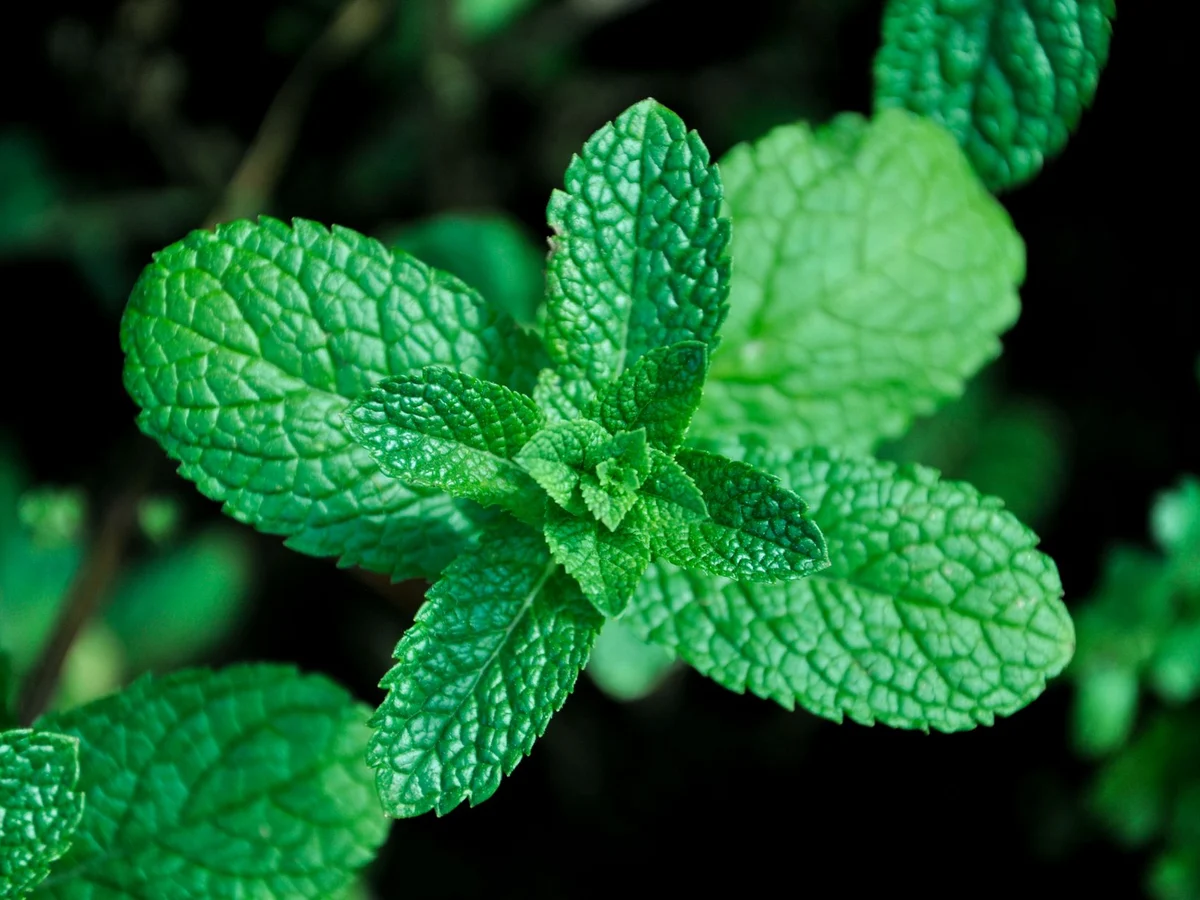
It is recommended for weight loss support, though individual results vary and should be combined with a balanced diet and exercise routine.
Understanding Peppermint Tea as a Caffeine-Free Option
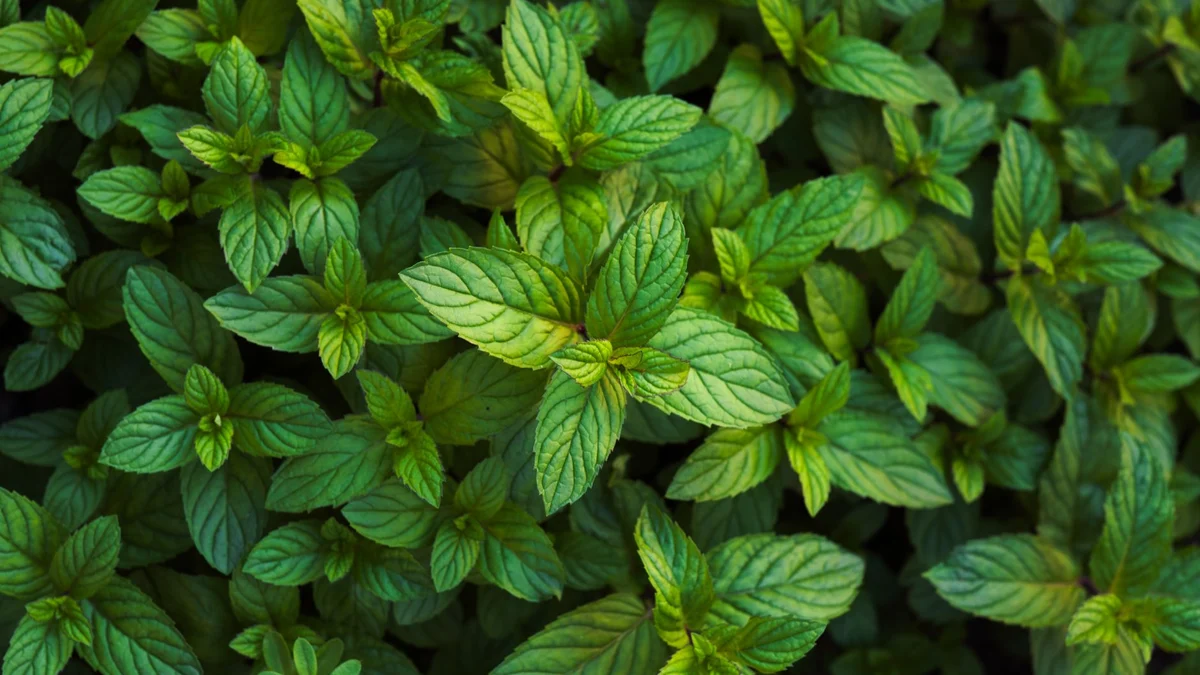
Mint tea is made by infusing mint leaves in hot water, and peppermint tea specifically uses peppermint leaves. This herbal beverage contains no caffeine, making it an ideal choice for individuals who have eliminated caffeine from their routines or want to avoid stimulants in the evening.
These oils contribute to the characteristic cooling sensation and aromatic profile that peppermint tea drinkers appreciate.
Because peppermint tea lacks the tannins and caffeine found in true teas, it is less prone to bitterness from oversteeping. You can brew it across a wider range of temperatures and steeping times without compromising flavor, offering flexibility that traditional tea drinkers may not expect.
How to Brew 21st Century Peppermint Tea Properly
Brewing peppermint tea correctly ensures you extract the full flavor and aromatic compounds without bitterness.
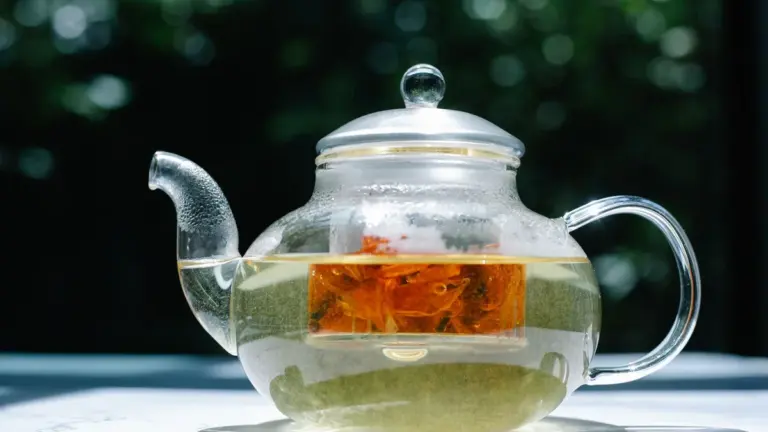
Place one teabag in your cup and pour the hot water over it. Allow the tea to steep for three minutes, though you can extend this time if you prefer a stronger flavor without the risk of bitterness common in caffeinated teas.
You can enjoy the tea hot, or let it cool and serve it over ice for a refreshing cold beverage. Add honey, lemon, or other natural sweeteners if desired, though many drinkers appreciate the clean, minty taste on its own.
Comparing Fresh Mint Leaves Versus Teabags
Each method offers distinct advantages depending on your preferences and availability.
Brewing with fresh mint leaves involves harvesting, washing, and steeping the leaves in boiling water for a few minutes.
They can be brewed loose or in pre-portioned bags, making them ideal for busy mornings or office settings where fresh herbs are impractical.
Health Benefits of Peppermint Tea
Peppermint tea is popular for its potential curative effects, primarily due to its high essential oil content. The menthol and other compounds in peppermint are thought to act as anti-inflammatory agents, though individual responses vary.
The tea may support digestive comfort by affecting the digestive system and the excretion of gastric juices. Many people turn to peppermint tea after meals to ease feelings of fullness or discomfort, though these effects are based on traditional use rather than conclusive clinical evidence.
As a caffeine-free herbal tea, peppermint offers hydration without the stimulant effects that can interfere with sleep or cause jitteriness in sensitive individuals. This makes it suitable for consumption throughout the day and evening.
Does Peppermint Tea Support Weight Loss Goals?
While herbal teas are often included in weight management routines, it is important to understand their role realistically.
Peppermint tea itself contains no calories when consumed without added sweeteners or milk. Drinking it can help you stay hydrated and may reduce cravings for higher-calorie beverages like soda or sweetened coffee.
No herbal tea alone causes significant weight loss. Sustainable results come from a combination of balanced nutrition, regular physical activity, adequate sleep, and stress management. Peppermint tea can be a pleasant, supportive addition to these lifestyle habits.
Addressing Caffeine Cravings with Herbal Alternatives
Transitioning away from caffeine can be challenging, especially during the initial weeks when cravings and withdrawal symptoms may occur. Peppermint tea offers a flavorful, ritual-based alternative that helps fill the gap left by coffee or caffeinated tea.
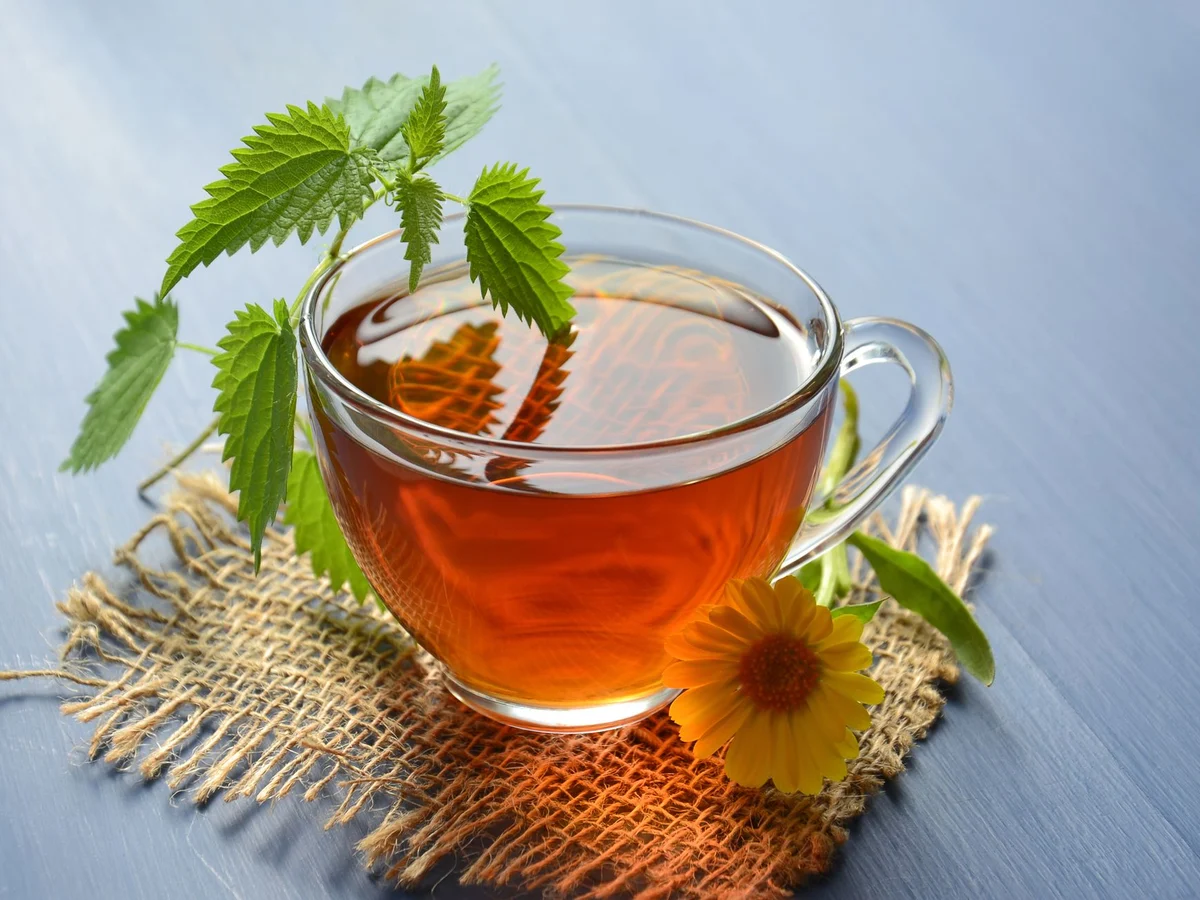
The ritual of brewing and sipping a warm beverage provides psychological comfort and structure to your day. The menthol in peppermint delivers a refreshing sensation that can feel invigorating, even without stimulants.
Over time, many individuals report that their cravings normalize and they no longer miss caffeine. Having a satisfying herbal tea option during this adjustment period can make the process more manageable and enjoyable.
Peppermint Tea Versus Other Herbal Teas
Understanding how peppermint tea compares to other caffeine-free herbal options helps you choose the right beverage for your needs and taste preferences.
| Herbal Tea Type | Primary Flavor | Common Uses | Caffeine Content |
|---|---|---|---|
| Peppermint | Cool, minty, refreshing | Digestive comfort, refreshment | None |
| Chamomile | Floral, mild, slightly sweet | Relaxation, bedtime | None |
| Spearmint | Sweet mint, less intense | Gentle digestive support | None |
| Ginger | Spicy, warming | Digestive support, nausea relief | None |
Peppermint stands out for its bold, cooling flavor and invigorating character. Chamomile is better suited for evening relaxation, while ginger offers warming spice. Your choice depends on the time of day, your mood, and the specific comfort you seek.
Common Mistakes When Brewing Peppermint Tea
Even though peppermint tea is forgiving, certain missteps can reduce your enjoyment or waste product. Recognizing these common errors helps you get the most from each cup.
- Using boiling water directly: Water at a full rolling boil can scald delicate herbal compounds.
- Steeping too briefly: While peppermint is less prone to bitterness, steeping for less than two minutes may result in weak flavor. Aim for three minutes minimum.
- Reusing teabags excessively: While you can sometimes steep a teabag twice, the second infusion will be noticeably weaker. For best flavor, use a fresh bag.
- Storing teabags improperly: Exposure to moisture, light, or strong odors degrades the essential oils. Keep the box sealed and store it in a cool, dry place.
Product Specifications and Packaging Details
The product is vegetarian, suitable for individuals following plant-based diets.
The flavor is peppermint, and the tea variety is also peppermint, indicating a pure formulation without blended herbs or additives. The container type is a bag, referring to the teabag format rather than loose leaf.
Who Should Consider 21st Century Peppermint Tea?
This product appeals to several specific groups of individuals based on lifestyle, dietary preferences, and wellness goals.
Health-conscious consumers exploring caffeine-free alternatives will find peppermint tea a satisfying option. Those who have quit caffeine entirely and are navigating the normalization process after quitting can use this tea to replace their former coffee or black tea ritual.
Vegetarians and individuals seeking plant-based products benefit from the vegetarian formulation. People interested in weight management may incorporate the tea as part of a broader healthy lifestyle, though it should not be relied upon as a sole weight-loss solution.
Anyone who enjoys mint flavor or seeks a refreshing, naturally caffeine-free beverage throughout the day will appreciate the crisp, clean taste of peppermint tea.
Potential Considerations and Limitations
While peppermint tea is generally well-tolerated, certain individuals should exercise caution or consult a healthcare provider before regular consumption.
People with gastroesophageal reflux disease (GERD) or severe acid reflux may find that peppermint relaxes the lower esophageal sphincter, potentially worsening symptoms. If you experience increased heartburn after drinking peppermint tea, discontinue use and speak with a healthcare professional.
Individuals taking certain medications should verify that peppermint does not interact with their prescriptions. While interactions are rare, it is always prudent to confirm compatibility with your healthcare provider.
Pregnant or breastfeeding individuals should consult a healthcare provider before adding new herbal products to their routine, even those as commonly consumed as peppermint tea.
Storing and Maintaining Tea Quality
Proper storage extends the shelf life and preserves the flavor and aromatic qualities of your peppermint tea.
Keep the original box sealed until you are ready to use the teabags. Once opened, transfer any unused teabags to an airtight container if the box does not reseal effectively. Store the container in a cool, dry place away from direct sunlight and heat sources.
Avoid placing the tea near strong-smelling foods or spices, as the teabags can absorb odors. Moisture is the primary enemy of dried herbs, so ensure the storage area is not humid.
Check the packaging for a best-by date and aim to use the tea within that timeframe for optimal flavor. While peppermint tea does not spoil quickly, the essential oils diminish over time, reducing the intensity of the minty aroma and taste.
Making Peppermint Tea Part of Your Daily Routine
Integrating peppermint tea into your daily habits can enhance your hydration and provide moments of refreshment throughout the day.
Consider starting your morning with a cup of peppermint tea instead of coffee. The ritual of brewing and sipping a warm beverage helps you ease into the day without the jolt of caffeine.
Mid-afternoon, when energy levels often dip, a cup of peppermint tea offers a refreshing break. The cooling menthol can feel revitalizing, helping you refocus without relying on stimulants.
In the evening, peppermint tea provides a caffeine-free option that won’t interfere with sleep. Enjoy it after dinner as a soothing way to wind down and support digestive comfort.
Final Thoughts on 21st Century Peppermint Tea
Its vegetarian formulation, convenient teabag format, and refreshing peppermint flavor make it accessible for daily use.
While the product is marketed with weight-loss recommendations, realistic expectations are essential. Peppermint tea supports wellness routines best when combined with balanced nutrition and regular physical activity, not as a standalone solution.
For individuals transitioning away from caffeine, peppermint tea offers a satisfying ritual and flavor experience that can ease cravings and provide structure during the adjustment period. Its lack of bitterness and forgiving brewing process make it beginner-friendly and versatile.
Brew a cup today and discover how this simple herbal infusion can enhance your daily hydration and wellness routine.
Reminder: The information in this article is for educational purposes only and does not replace professional medical advice. Always consult a healthcare provider before using herbal products for specific health concerns.