Natural Weight Loss with Herbal Leaf Slimming Tea Online
Discover the secrets to natural weight loss with herbal leaf slimming tea online: these teas may support metabolism and fat oxidation, but they are not magic bullets. This guide explains the science, safety, and how to buy wisely online so you can make informed choices for your health journey.
Disclaimer: This article is for informational purposes only and is not a substitute for professional medical advice, diagnosis, or treatment. Always consult a healthcare provider before starting any new supplement or weight-loss regimen.
Discover the Secrets to Natural Weight Loss with Herbal Leaf Slimming Tea Online
Herbal leaf slimming teas are popular for natural weight loss, but their effectiveness varies. Some contain metabolism-boosting compounds like catechins and caffeine, while others act as laxatives. Understanding the ingredients and their effects is key to choosing a safe and potentially effective product. This overview covers the science, safety, and smart shopping strategies for buying these teas online.
What Are Herbal Leaf Slimming Teas?
Herbal leaf slimming teas are blends of plant leaves and extracts marketed to support weight loss. Common ingredients include green tea, pu-erh tea, senna, cinnamon, and chamomile. Each herb has different mechanisms, from boosting metabolism to promoting digestion or relaxation. Some teas are designed for detox, while others focus on appetite control or fat burning.
How Do They Work?
These teas may work through several pathways. Green tea contains caffeine and catechins like EGCG that can slightly boost metabolism and enhance fat oxidation. Senna is a stimulant laxative that triggers bowel movements but does not cause fat loss. Cinnamon may help regulate blood sugar and reduce cravings. Understanding these mechanisms helps set realistic expectations.
How Herbal Teas Support Metabolism and Fat Oxidation
Certain herbal teas can modestly support metabolism and fat oxidation, primarily due to bioactive compounds like catechins and caffeine. However, effects are generally small and require regular consumption alongside a healthy diet and exercise. They are not a standalone solution for significant weight loss.
Green Tea: Catechins and Caffeine
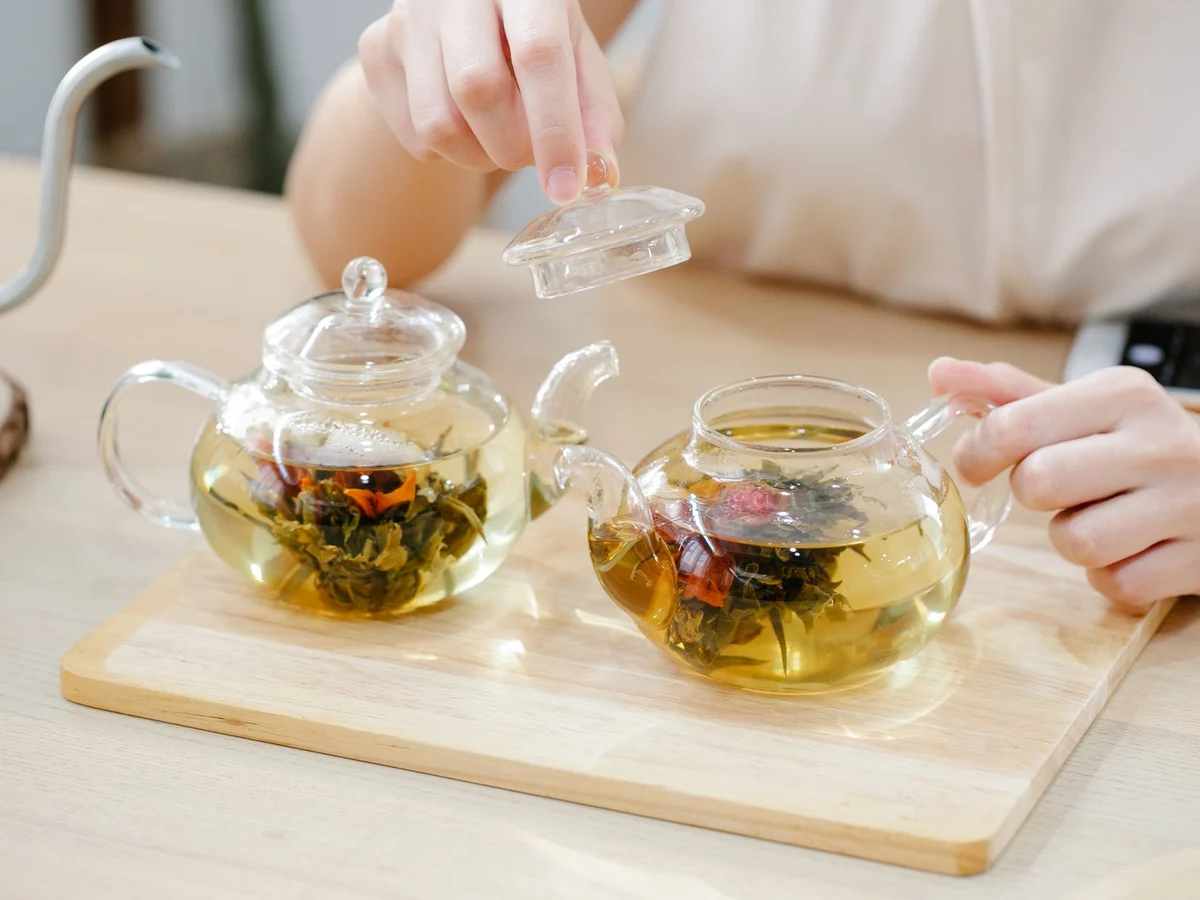
Green tea is rich in catechins, particularly EGCG, which may enhance fat oxidation. Caffeine can slightly raise metabolism and increase alertness. For noticeable benefits, regular consumption is necessary, and it works best when combined with physical activity.
Pu-erh Tea: The Fermented Option
Pu-erh tea is produced from the leaves of Camellia sinensis var. assamica, traditionally in Yunnan Province, China. It comes in raw and ripened forms. Theabrownin, a pigment in pu-erh, may influence its weight-management properties.
Other Metabolism-Boosting Herbs
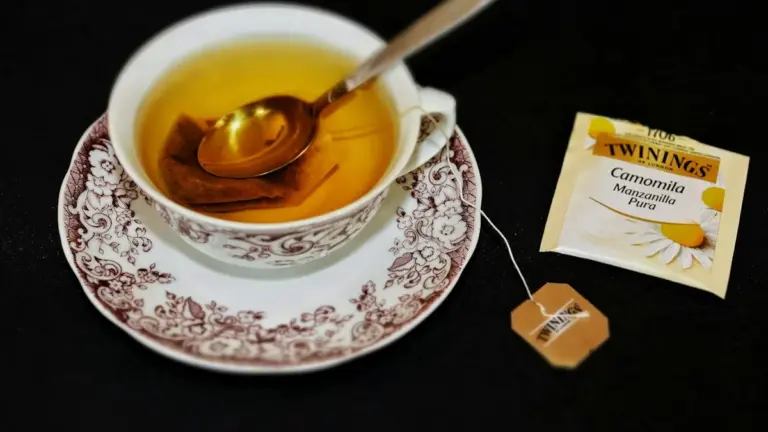
Cinnamon tea may help regulate blood sugar levels and improve insulin sensitivity, partly due to cinnamaldehyde, which may boost metabolism. It is virtually calorie-free and rich in antioxidants. Chamomile tea is known for its relaxing effects and may support better sleep quality, which is essential for weight management. These herbs can complement a weight-loss plan but are not direct fat burners.
Detox Teas and Laxative Ingredients: What You Need to Know
Detox teas often contain herbs like dandelion, ginger, senna, or peppermint, but they do not enhance the body’s natural detoxification processes. The liver and kidneys already handle detoxification. Weight changes from these teas are typically due to temporary water loss, not fat loss. Laxative ingredients like senna can cause cramping and diarrhea and should be used with caution.
The Truth About Detox
Your body detoxifies itself through the liver and kidneys. Detox teas do not improve this process. Any weight lost from detox teas is usually water weight, which can return quickly. Relying on detox teas for weight loss is not a sustainable strategy and may lead to dehydration and electrolyte imbalances.
Senna: A Stimulant Laxative
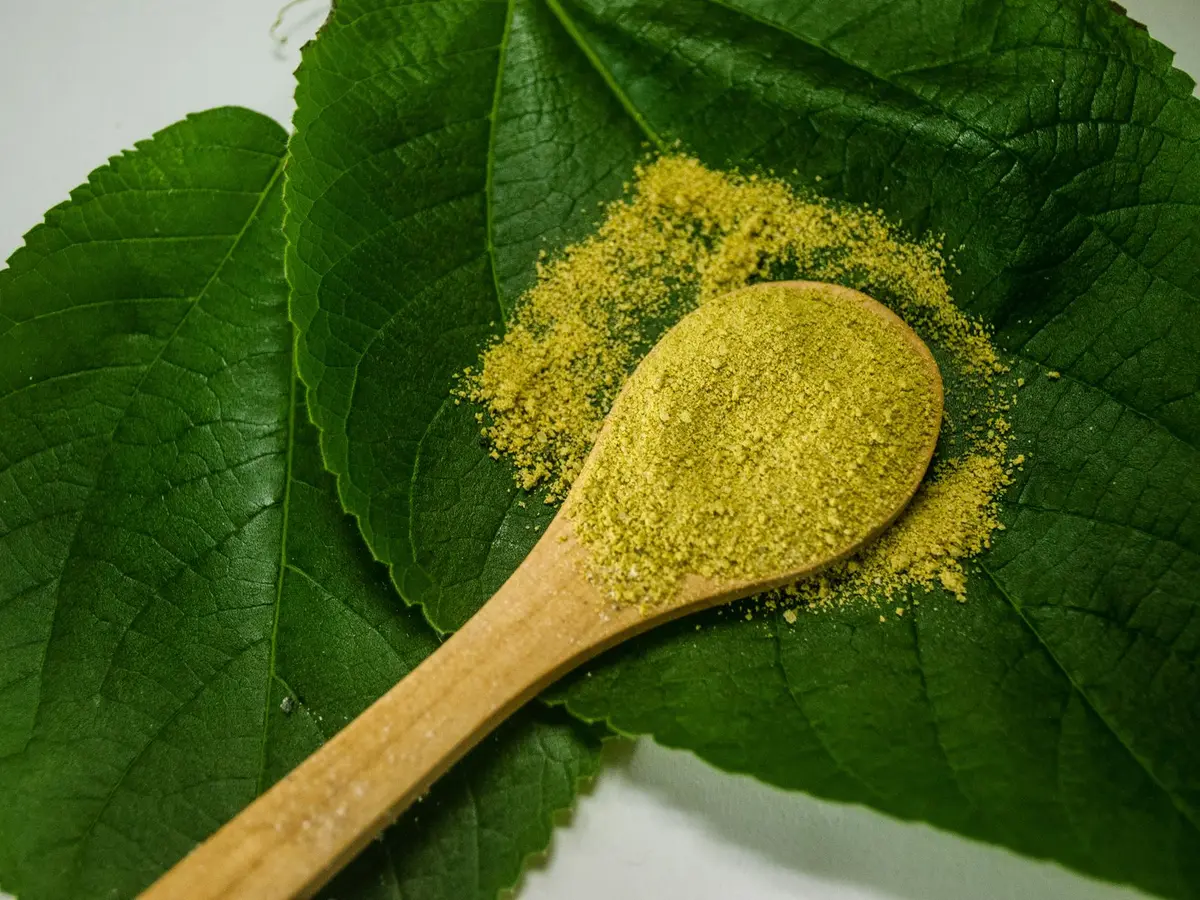
Senna leaf is a common ingredient in slimming teas like China Slim Tea. It works by irritating the lining of the large intestine, triggering bowel movements. This can cause cramping and diarrhea shortly after consumption. Senna is not intended for long-term use and can lead to dependency. It does not promote fat loss and should be avoided by individuals with certain medical conditions.
Safety Concerns and Side Effects
Herbal teas are not risk-free. Senna can cause digestive distress and dependency. Green tea extract in high doses may lead to liver toxicity in rare cases. Caffeine can cause jitteriness and insomnia. Always read labels, follow serving sizes, and consult a healthcare provider if you have underlying health conditions or take medications.
How to Choose the Best Herbal Slimming Tea Online
When buying herbal slimming tea online, prioritize quality, safety, and transparency. Look for products with clear ingredient lists, third-party testing, and minimal laxatives. Avoid teas with proprietary blends that hide ingredient amounts. Check customer reviews and consult reliable sources before purchasing.

Key Factors to Consider
- Ingredients: Look for teas with green tea, pu-erh, or cinnamon rather than senna as the main active ingredient.
- Third-party testing: Choose brands that provide certificates of analysis for purity and potency.
- Consultation: Consult a healthcare provider before starting any new supplement, especially if you have health conditions.
Reading Labels and Avoiding Scams
Misleading claims are common in the slimming tea market. Avoid products promising rapid weight loss or “miraculous” results. Look for specific ingredient quantities and avoid proprietary blends. Check for contact information and a physical address. Be wary of extreme before-and-after photos and testimonials that seem too good to be true.
Comparing Popular Herbal Teas
| Tea Type | Key Ingredients | Potential Benefits | Safety Considerations |
|---|---|---|---|
| Green Tea | Catechins (EGCG), caffeine | May slightly boost metabolism and fat oxidation | Caffeine sensitivity; high doses may affect liver |
| Detox Teas (with senna) | Senna, dandelion, ginger | Laxative effect; temporary water loss | Cramping, diarrhea, dependency; not for long-term use |
| Cinnamon Tea | Cinnamaldehyde, antioxidants | May regulate blood sugar and reduce cravings | Generally safe; high doses may interact with medications |
| Chamomile Tea | Apigenin, antioxidants | Promotes relaxation and better sleep | Generally safe; rare allergic reactions |
Natural Weight Loss Strategies Beyond Tea
Herbal teas can be a supportive tool, but sustainable weight loss requires a holistic approach. Focus on a balanced diet, regular physical activity, adequate sleep, and stress management. Teas may complement these efforts but should not replace them. Consistency and patience are key.

Diet and Exercise Synergy
No tea can compensate for poor dietary habits. A diet rich in whole foods, lean proteins, and fiber supports weight management. Regular exercise, including both cardio and strength training, enhances metabolism and fat loss. Teas like green tea may provide a slight edge when combined with an active lifestyle.
Sleep and Stress Management
Sleep quality and stress levels significantly impact weight. Chamomile tea may aid relaxation and sleep, which can indirectly support weight management. Chronic stress can lead to weight gain, so incorporating stress-reduction practices like meditation or yoga is beneficial. Herbal teas can be part of a calming routine.
Common Mistakes to Avoid
- Relying solely on teas for weight loss without diet and exercise changes.
- Using laxative teas frequently, which can cause dependency and health issues.
- Ignoring portion sizes and overall calorie intake.
- Expecting rapid results; weight loss takes time and consistency.
- Not consulting a healthcare provider before starting new supplements.
Frequently Asked Questions
Do herbal slimming teas really work for weight loss?
Some herbal teas, like green tea and pu-erh, may modestly support metabolism and fat oxidation, but effects are small and not a substitute for diet and exercise. Detox teas with senna cause temporary water loss, not fat loss. Realistic expectations and a holistic approach are essential.
Are detox teas safe?
Detox teas containing senna can cause cramping, diarrhea, and dependency. They are not recommended for long-term use. Other herbal teas are generally safe when consumed in moderation, but always consult a healthcare provider, especially if you have health conditions or take medications.
Can I lose weight by only drinking herbal tea?
No, relying solely on herbal tea for weight loss is ineffective and potentially unsafe. Sustainable weight loss requires a balanced diet, regular exercise, and lifestyle changes. Teas can be a supportive addition but not a standalone solution.
What are the best herbs for weight loss?
Green tea, pu-erh tea, and cinnamon have some evidence for supporting metabolism and blood sugar regulation. Chamomile may aid sleep, which indirectly supports weight management. Avoid senna-based teas for weight loss due to safety concerns.
How much herbal tea should I drink for weight loss?
Follow product instructions and avoid excessive intake of caffeine or laxative herbs. Listen to your body and consult a professional for personalized advice.
Final Thoughts and Next Steps
Discover the secrets to natural weight loss with herbal leaf slimming tea online by focusing on science-backed ingredients, safety, and realistic expectations. Use teas as a complement to a healthy lifestyle, not a replacement. Always consult a healthcare provider before starting any new regimen, and choose products from reputable sources with transparent labeling.
Reminder: This information is for educational purposes only and is not medical advice. Consult a healthcare professional for personalized guidance.