Matcha Weight Loss: Science-Backed Benefits & How to Use It Safely
Matcha tea weight loss has become a popular topic among health-conscious individuals seeking natural ways to support their weight management goals. This vibrant green powder, derived from specially grown tea leaves, offers more than just a trendy beverage—it contains concentrated compounds that may influence metabolism, fat burning, and appetite control. Below, you’ll find evidence-based insights, practical preparation tips, and realistic expectations for incorporating matcha into your routine.
Disclaimer: This article provides informational content only and is not intended as medical, nutritional, or professional health advice. Always consult a qualified healthcare provider before making significant dietary changes, especially if you have underlying health conditions or take medications.
What Is Matcha?
Matcha is a type of green tea made from the Camellia sinensis plant, the same species used for all true teas. What sets matcha apart is its unique cultivation and processing method. Farmers grow matcha plants in the shade for most of the growth cycle, typically covering them three to four weeks before harvest. This lack of direct sunlight triggers the plant to produce higher levels of chlorophyll and amino acids, giving matcha its distinctive dark green color and richer nutrient profile.
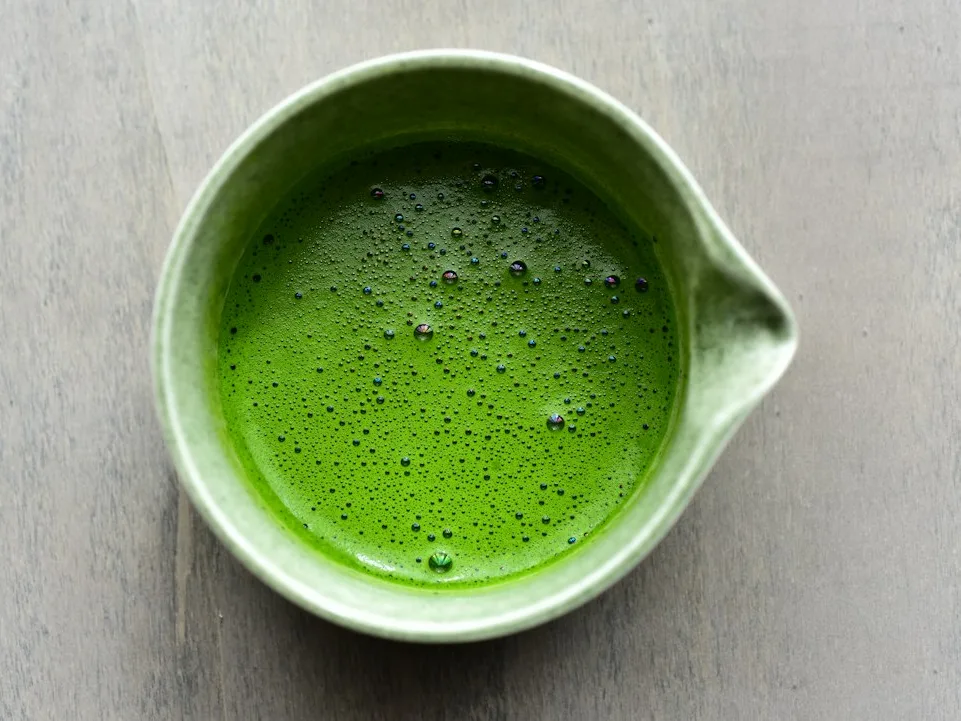
After harvesting, producers remove the stems and veins from the leaves, then grind them into a fine powder. Because you consume the entire leaf rather than steeping and discarding it, matcha delivers more caffeine and antioxidants than conventional green tea. A typical serving contains the full spectrum of nutrients locked inside the leaf, making it a concentrated source of beneficial plant compounds.
Is Matcha Good for Weight Loss?
Matcha can support weight loss efforts when combined with a balanced diet and regular physical activity, but it is not a magic solution on its own. The powder contains catechins—natural antioxidants that may enhance fat oxidation and boost metabolic rate modestly. However, realistic expectations are essential: matcha works best as one component of a comprehensive lifestyle approach, not as a standalone weight-loss product.
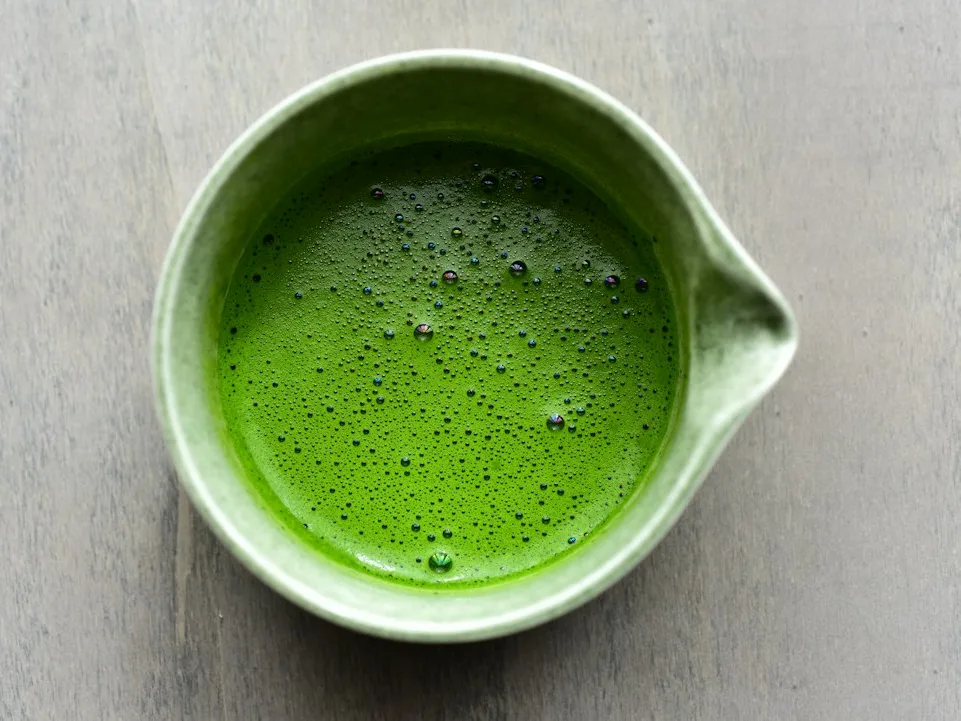
The most studied catechin in matcha is epigallocatechin gallate (EGCG), a compound that appears in higher concentrations in matcha than in regular green tea. Yet individual results vary widely based on genetics, baseline metabolism, diet quality, and activity levels. People who replace high-calorie beverages with unsweetened matcha tea often see better outcomes simply because they reduce overall calorie intake.
Skeptics rightly question whether matcha’s effects are significant enough to justify the hype. The truth lies in the middle: matcha offers measurable but modest metabolic benefits. It can slightly increase energy expenditure and fat burning, but these effects are not dramatic enough to compensate for poor eating habits or sedentary behavior. Think of matcha as a helpful tool in your weight loss routine, not a hero ingredient that does all the work for you.
How Matcha Tea Can Help You Lose Weight
Matcha tea for weight loss works through several interconnected mechanisms that influence how your body processes energy and stores fat. Understanding these pathways helps you set realistic goals and use matcha strategically within your daily routine.
Boosts Metabolic Rate: The combination of caffeine and catechins in matcha may increase thermogenesis—the process by which your body generates heat and burns calories. This modest metabolic boost can add up over time, especially when paired with regular exercise. However, the effect is typically small, equivalent to burning an extra handful of calories per day rather than hundreds.
Enhances Fat Oxidation: EGCG and other catechins may help your body preferentially use fat as fuel during physical activity. This means that when you exercise after drinking matcha, a slightly higher proportion of the calories you burn may come from fat stores. The effect is most noticeable during moderate-intensity aerobic exercise, such as brisk walking or cycling.
Supports Appetite Regulation: Some people report feeling more satiated and less prone to snacking when they drink matcha regularly. This may be due to the combination of caffeine, amino acids like L-theanine, and the ritual of preparing and sipping a warm beverage. While not a direct appetite suppressant, matcha can fit into mindful eating practices that help you tune into hunger and fullness cues.
Replaces High-Calorie Drinks: One of the simplest ways matcha aids weight loss is by serving as a low-calorie alternative to sugary lattes, sodas, or energy drinks. A plain cup of matcha tea contains virtually no calories, while a flavored coffee drink can pack several hundred. This swap alone can create a meaningful calorie deficit over weeks and months.
Matcha for Weight Loss: What the Science Says
Green tea catechins have been studied for their potential to increase energy expenditure and fat oxidation. However, these effects are generally modest—often in the range of one to two additional pounds lost over several months. Individual responses vary, and not everyone experiences noticeable benefits.
The caffeine content in matcha also plays a role. Caffeine is a well-known stimulant that can temporarily elevate metabolic rate and enhance physical performance. When combined with catechins, the two compounds may work synergistically to amplify fat-burning effects. Yet tolerance to caffeine develops over time, which may reduce these benefits for habitual consumers.
While the science is encouraging, it does not support claims that matcha alone can produce dramatic or rapid weight loss.
Matcha for Weight Loss: Benefits, Tips, and How It Works
To maximize the potential weight-loss benefits of matcha tea for weight loss, consider these practical strategies and tips that align with both scientific evidence and real-world experience.
Choose High-Quality Matcha
Not all matcha powders are created equal. Ceremonial-grade matcha, made from the youngest tea leaves, offers the brightest flavor and highest concentration of beneficial compounds. Culinary-grade matcha is more affordable and works well in smoothies or baked goods but may have a slightly bitter taste. For weight loss purposes, either grade can be effective as long as the product is pure matcha without added sugars or fillers.
Prepare Matcha Correctly
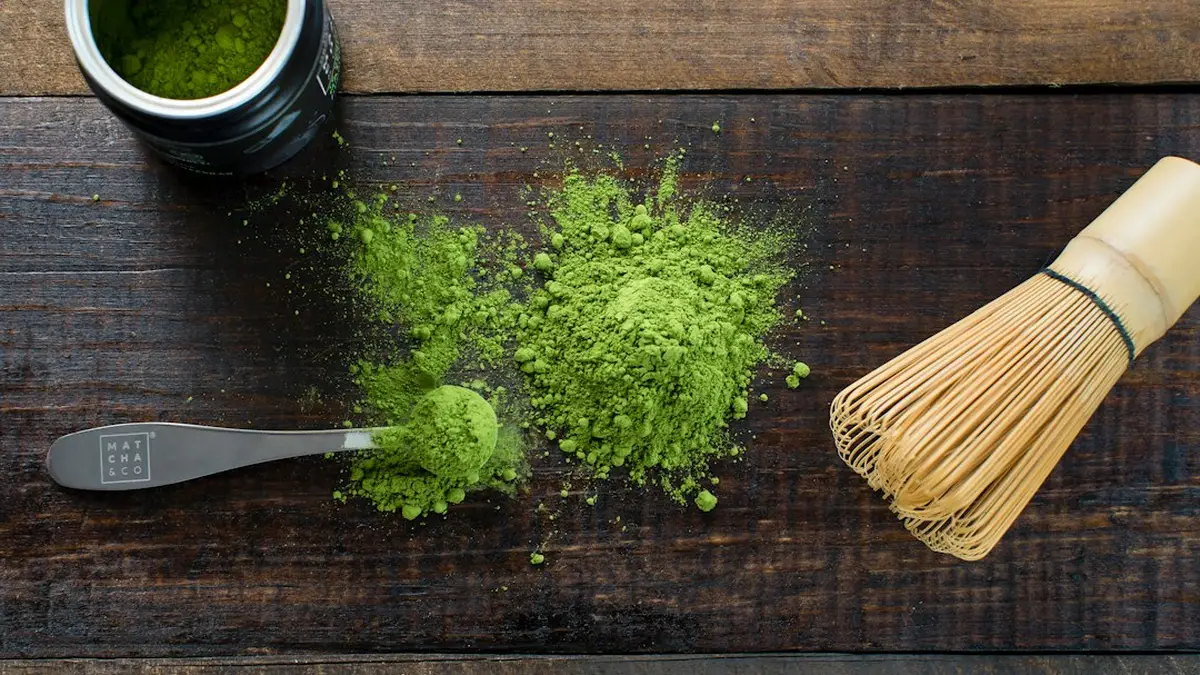
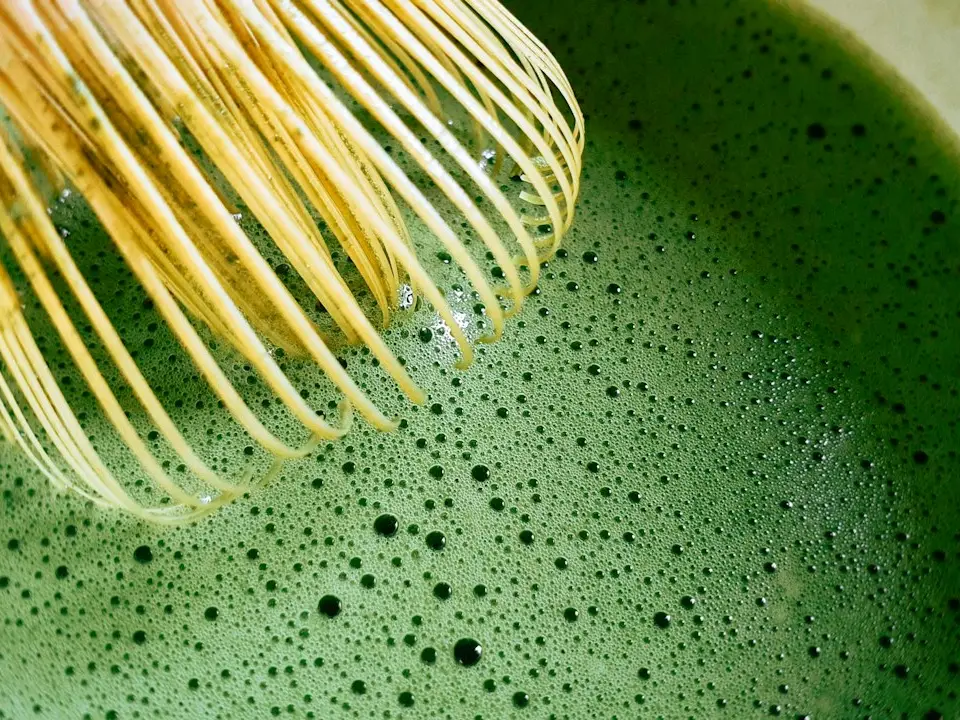
Traditional preparation involves whisking matcha powder with hot (not boiling) water until frothy. Use approximately one to two grams of matcha powder per cup—roughly half to one teaspoon. Boiling water can degrade some of the delicate catechins, so aim for water around 175°F (80°C). Whisk vigorously in a zigzag motion to dissolve the powder completely and create a smooth, frothy texture.
Time Your Consumption Strategically
Drinking matcha about 30 minutes before exercise may enhance fat oxidation during your workout. Alternatively, enjoying a cup in the morning can provide sustained energy without the jittery crash associated with coffee. Avoid consuming matcha late in the day if you’re sensitive to caffeine, as it may interfere with sleep—a critical factor for weight management.
Avoid Added Sugars and High-Calorie Mix-Ins
Many commercial matcha lattes contain significant amounts of sugar, milk, or flavored syrups that can quickly negate any calorie-burning benefits. Stick to plain matcha tea, or use unsweetened plant-based milk and a minimal amount of natural sweetener if desired. Be mindful of portion sizes and total calorie intake when incorporating matcha into smoothies or desserts.
Combine Matcha with a Balanced Diet and Exercise
Matcha is most effective when it complements—not replaces—healthy eating and physical activity. Focus on whole foods, adequate protein, plenty of vegetables, and regular movement. Track your overall calorie intake and ensure you’re in a modest deficit if weight loss is your goal. Matcha can support these efforts but cannot override poor dietary choices or inactivity.
Monitor Your Body’s Response
Pay attention to how matcha affects your energy levels, appetite, and digestion. Some people feel more alert and focused, while others may experience stomach upset or increased heart rate, especially at higher doses. Start with a small amount—half a teaspoon per day—and gradually increase if well tolerated. If you notice adverse effects, reduce your intake or discontinue use.
Common Mistakes to Avoid
- Overconsumption: Drinking excessive amounts of matcha can lead to caffeine-related side effects such as jitteriness, insomnia, or digestive discomfort. Stick to one to two cups per day.
- Expecting rapid results: Weight loss with matcha is gradual and modest. Unrealistic expectations can lead to disappointment and abandonment of other healthy habits.
- Ignoring quality: Low-quality matcha may contain contaminants or lack the beneficial compounds found in premium products. Purchase from reputable suppliers.
- Neglecting other lifestyle factors: Relying solely on matcha while ignoring sleep, stress management, and overall diet quality will limit your success.
How Matcha Green Tea Helps Weight Loss
Matcha green tea helps weight loss through a combination of metabolic, behavioral, and nutritional mechanisms that work together to create a modest but meaningful impact over time.
The catechins in matcha, particularly EGCG, may inhibit an enzyme that breaks down norepinephrine—a hormone involved in fat breakdown. By slowing this enzyme’s activity, matcha can prolong norepinephrine’s fat-burning signals, potentially increasing the amount of fat your body mobilizes and burns for energy. This effect is most pronounced during periods of calorie restriction or increased physical activity.
Matcha also provides a steady release of caffeine combined with the amino acid L-theanine, which promotes a state of calm alertness. This unique combination can improve focus and reduce stress-related eating, helping you stick to your weight-loss plan more consistently. Unlike the sharp spike and crash of coffee, matcha delivers sustained energy that may support longer or more intense workouts.
Additionally, the ritual of preparing and drinking matcha can encourage mindfulness and intentionality around eating. Taking time to whisk and savor your tea creates a pause in your day, which may reduce impulsive snacking and help you make more conscious food choices. This behavioral component, while difficult to quantify, can be just as important as the biochemical effects.
From a nutritional standpoint, matcha is rich in antioxidants that help stabilize harmful free radicals—compounds that can damage cells and contribute to chronic inflammation. While the direct link between antioxidants and weight loss is not fully established, reducing inflammation may improve metabolic health and support more efficient fat metabolism over the long term.
Drinking Matcha Green Tea for Weight Loss: Practical Considerations and Safety
While matcha offers potential benefits for weight management, it’s essential to approach its use with a clear understanding of practical considerations, potential side effects, and realistic outcomes.
How Much Matcha Should You Drink Daily?
Most experts recommend consuming one to two cups of matcha tea per day, which typically provides around 70 to 140 milligrams of caffeine. Consuming more than this may increase the risk of side effects without offering additional weight-loss benefits. If you’re new to matcha or sensitive to caffeine, start with half a cup and assess your tolerance before increasing your intake.
Does Matcha Spike Your Cortisol?
Caffeine can stimulate the release of cortisol, the body’s primary stress hormone. However, the L-theanine in matcha has calming properties that may help buffer this response, resulting in a more balanced effect compared to coffee. For most people, moderate matcha consumption does not cause problematic cortisol spikes. If you have adrenal fatigue, chronic stress, or hormone imbalances, consult a healthcare provider before adding matcha to your routine, as individual responses can vary.
How Many Grams of Matcha Per Cup?
A standard serving of matcha is one to two grams of powder per cup, equivalent to roughly half to one teaspoon. This amount provides a balanced dose of catechins and caffeine without overwhelming bitterness. If you’re using matcha in smoothies or recipes, adjust the quantity to taste, keeping in mind that higher doses do not necessarily translate to greater weight-loss benefits and may increase the risk of side effects.
How to Drink Matcha Tea?
Traditional matcha preparation involves sifting the powder to remove clumps, adding a small amount of hot water, and whisking briskly with a bamboo whisk until frothy. You can also blend matcha into smoothies, stir it into oatmeal, or mix it with plant-based milk for a latte. For weight loss, avoid adding sugar, honey, or high-calorie ingredients. Experiment with different preparation methods to find what you enjoy most, as consistency is key to seeing results.
Potential Side Effects and Risks
Matcha is generally safe for most people when consumed in moderation, but some individuals may experience side effects, particularly at higher doses. Common issues include:
- Caffeine sensitivity: Jitteriness, rapid heartbeat, anxiety, or insomnia, especially in those unaccustomed to caffeine.
- Digestive upset: Nausea or stomach discomfort, particularly when consumed on an empty stomach.
- Liver concerns: While matcha may support liver health in people with nonalcoholic fatty liver disease, some evidence suggests it could elevate liver enzymes in healthy individuals when consumed in very high amounts. Moderation is key.
- Iron absorption: The catechins in matcha can inhibit iron absorption from plant-based foods. If you have iron deficiency or follow a vegetarian diet, consider drinking matcha between meals rather than with iron-rich foods.
If you experience persistent adverse effects, reduce your intake or discontinue use and consult a healthcare professional.
Is Matcha More Effective Than Other Teas for Weight Loss?
Matcha contains higher concentrations of catechins and caffeine than regular green tea because you consume the whole leaf. This theoretically makes it more potent for weight loss. However, the practical difference may be modest, and some people achieve similar results with regular green tea, oolong tea, or other metabolism-supporting beverages. The best tea for weight loss is the one you’ll drink consistently as part of a healthy lifestyle.
Comparison: Matcha vs. Other Weight-Loss Teas
| Tea Type | Catechin Content | Caffeine per Cup | Key Benefit | Best For |
|---|---|---|---|---|
| Matcha | High | 70 mg | Concentrated antioxidants, fat oxidation | Those seeking potent, sustained energy |
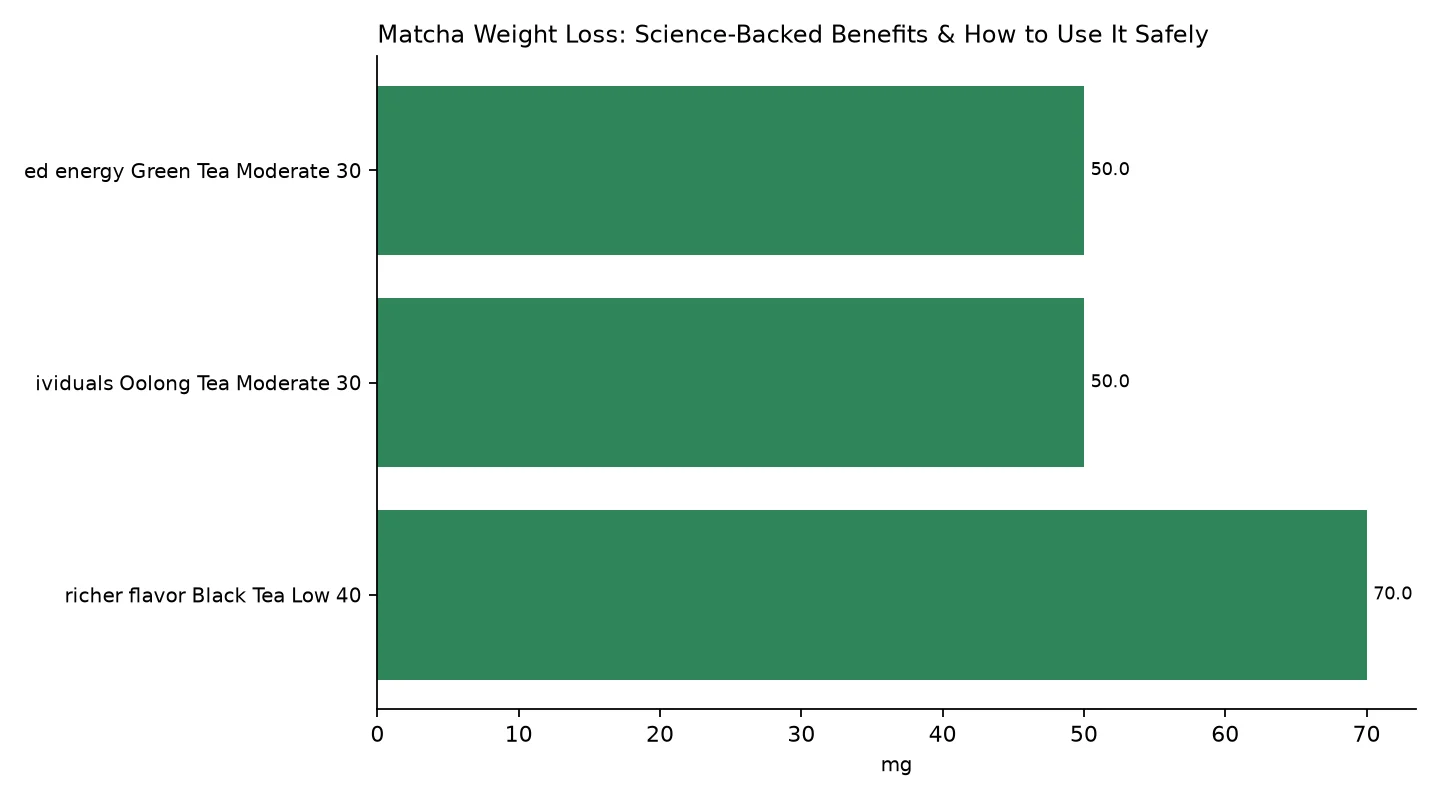
| Green Tea | Moderate | 30-50 mg | Gentle metabolism boost, hydration | Caffeine-sensitive individuals |
| Oolong Tea | Moderate | 30-50 mg | Fat burning, improved digestion | Those who prefer a richer flavor |
| Black Tea | Low | 40-70 mg | Energy, gut health support | Coffee drinkers transitioning to tea |
| Herbal Tea | None | 0 mg | Hydration, relaxation | Evening consumption, caffeine avoiders |
Addressing Skepticism: Is Matcha Legit or a Scam?
The weight-loss industry is rife with exaggerated claims and dubious products, so skepticism is healthy. Matcha itself is a legitimate food with measurable bioactive compounds and a long history of traditional use. However, some commercial matcha products—especially those marketed as miracle weight-loss supplements—may overstate benefits or include unnecessary additives.
When evaluating matcha products, look for pure, high-quality powder from reputable brands. Avoid products that promise rapid or dramatic weight loss, as these claims are not supported by evidence. Matcha can be a helpful addition to a weight-loss routine, but it is not a shortcut or replacement for fundamental lifestyle changes.
Realistic Expectations and Long-Term Use
If you incorporate matcha into a balanced diet and active lifestyle, you may notice subtle improvements in energy, focus, and body composition over several weeks to months. The effects are cumulative and work best when matcha is part of a consistent routine. Do not expect dramatic changes in the first week or two. Weight loss is a gradual process influenced by many factors, and matcha is just one piece of the puzzle.
Long-term use of matcha appears safe for most people, but periodic breaks or rotation with other healthy beverages can help prevent tolerance and ensure you continue to enjoy its benefits. Listen to your body, adjust your intake as needed, and remember that sustainable weight management is about building habits you can maintain for life.
Final Reminder: The information in this article is for educational purposes only. It is not a substitute for personalized medical, nutritional, or fitness advice. Before starting any new dietary supplement or weight-loss regimen, consult with a qualified healthcare provider, especially if you have existing health conditions, take medications, or are pregnant or breastfeeding.