Yerba Mate Tea and Weight Loss: Science-Backed Benefits & How to Use It
Yerba mate tea and weight loss have become a popular pairing for people seeking natural metabolism support. This South American herbal tea offers caffeine, antioxidants, and compounds that may help your body burn fat more efficiently. If you’re curious whether yerba mate can genuinely support your weight goals—and how to use it safely—you’ll find the evidence, practical steps, and honest limitations here.
Disclaimer: This content is for informational purposes only and does not constitute medical, nutritional, or professional health advice. Consult a qualified healthcare provider before adding yerba mate or any supplement to your routine, especially if you have underlying health conditions or take medications.
Does Yerba Mate Help with Weight Loss? Exploring the Evidence
Yerba mate is made from the leaves of the Ilex paraguariensis plant, native to South America. It contains caffeine—more than green tea but less than coffee—along with polyphenols, saponins, and chlorogenic acids. These compounds work together to influence metabolism and fat oxidation, which is why many people ask whether yerba mate can genuinely support weight loss.
However, these effects are modest and work best when combined with a balanced diet and regular physical activity. No single food or drink will replace the fundamentals of sustainable weight management.
One important factor is that yerba mate is rich in antioxidants, particularly polyphenols. These antioxidants may help reduce oxidative stress and inflammation, both of which can interfere with healthy metabolism.
Think of yerba mate as one ingredient in a broader strategy. It may give you a gentle energy boost, help curb cravings, and support fat metabolism—but it won’t compensate for poor sleep, chronic stress, or an unbalanced diet. If you’re exploring natural options to complement your weight loss efforts, yerba mate offers a promising, culturally rich choice backed by preliminary science.
Drinking Yerba Mate for Fat Burning / Fitness / Weight Loss
Many fitness enthusiasts drink yerba mate before workouts to enhance energy and fat oxidation during exercise. The caffeine content provides a stimulant effect that can improve focus, endurance, and perceived exertion, making it easier to push through challenging sessions. Some athletes also report that yerba mate delivers a smoother, longer-lasting energy boost compared to coffee, without the jittery crash.
When it comes to fat burning, timing matters. The combination of caffeine and polyphenols can increase the amount of fat your muscles use for fuel, potentially sparing glycogen and extending endurance. This effect is most noticeable during moderate-intensity activities like brisk walking, cycling, or jogging.
Beyond the workout window, yerba mate can support overall fitness goals by improving mental clarity and reducing fatigue. This makes it easier to stay consistent with training schedules and resist the temptation to skip sessions. Consistency is the single most important factor in any fitness or weight loss program, and anything that helps you show up day after day has real value.
That said, yerba mate is not a magic bullet. It won’t build muscle, burn fat, or improve cardiovascular health on its own. You still need progressive resistance training, adequate protein intake, and a calorie deficit (if weight loss is the goal). Yerba mate simply enhances the environment in which those efforts can succeed. Use it as a tool to support your discipline, not replace it.
Does Yerba Mate Help You Lose Weight? (Science-backed Analysis)
The question of whether yerba mate directly causes weight loss requires a nuanced answer.
One area of interest is thermogenesis—the process by which your body generates heat and burns calories. Caffeine and certain polyphenols in yerba mate have been shown to increase thermogenesis slightly, meaning you burn a few extra calories even at rest. Over weeks and months, this modest increase could contribute to a small calorie deficit, especially when paired with mindful eating and regular movement.
Another mechanism involves fat oxidation. This doesn’t mean you’ll lose weight without a calorie deficit, but it may help you preserve lean muscle mass and improve body composition over time.
It’s also worth noting that individual responses vary widely. Factors like genetics, baseline caffeine tolerance, diet quality, sleep, stress, and activity level all influence how much benefit you’ll see. Some people report noticeable appetite suppression and energy improvements; others feel little difference. The key is to experiment responsibly, track your own results, and adjust accordingly.
In summary, yerba mate may help you lose weight by supporting metabolism, fat oxidation, and energy levels—but only when combined with a calorie-controlled diet and regular exercise. It’s a complement, not a cure.
Does Yerba Mate Make You Lose Weight? Unpacking the Mechanisms
To understand whether yerba mate can make you lose weight, you need to look at the underlying biological mechanisms. Weight loss occurs when you consistently burn more calories than you consume. Yerba mate doesn’t create a calorie deficit by itself, but it may influence several factors that make achieving and maintaining that deficit easier.
First, caffeine stimulates the central nervous system, increasing alertness and energy expenditure. This can lead to more spontaneous physical activity—fidgeting, walking, standing—throughout the day, a phenomenon known as non-exercise activity thermogenesis (NEAT). Small increases in NEAT can add up to meaningful calorie burn over time.
Second, yerba mate contains saponins, plant compounds that may influence fat digestion and absorption. This effect has not been robustly demonstrated in humans, so it remains speculative.
Third, the polyphenols in yerba mate may improve insulin sensitivity and glucose metabolism. Better blood sugar control can reduce cravings, stabilize energy levels, and make it easier to stick to a structured eating plan. This indirect effect on behavior and adherence may be one of yerba mate’s most valuable contributions to weight loss.
Finally, yerba mate may influence hormones related to hunger and satiety, such as ghrelin and leptin. Some users report feeling less hungry after drinking yerba mate, which could help reduce overall calorie intake. However, this effect is subjective and not universally experienced.
In short, yerba mate doesn’t “make” you lose weight in a direct, pharmacological sense. Instead, it creates a slightly more favorable metabolic and behavioral environment for weight loss to occur—if you do the work.
How Much Yerba Mate Per Day for Weight Loss
One of the most common questions is: how much yerba mate should you drink daily to support weight loss?
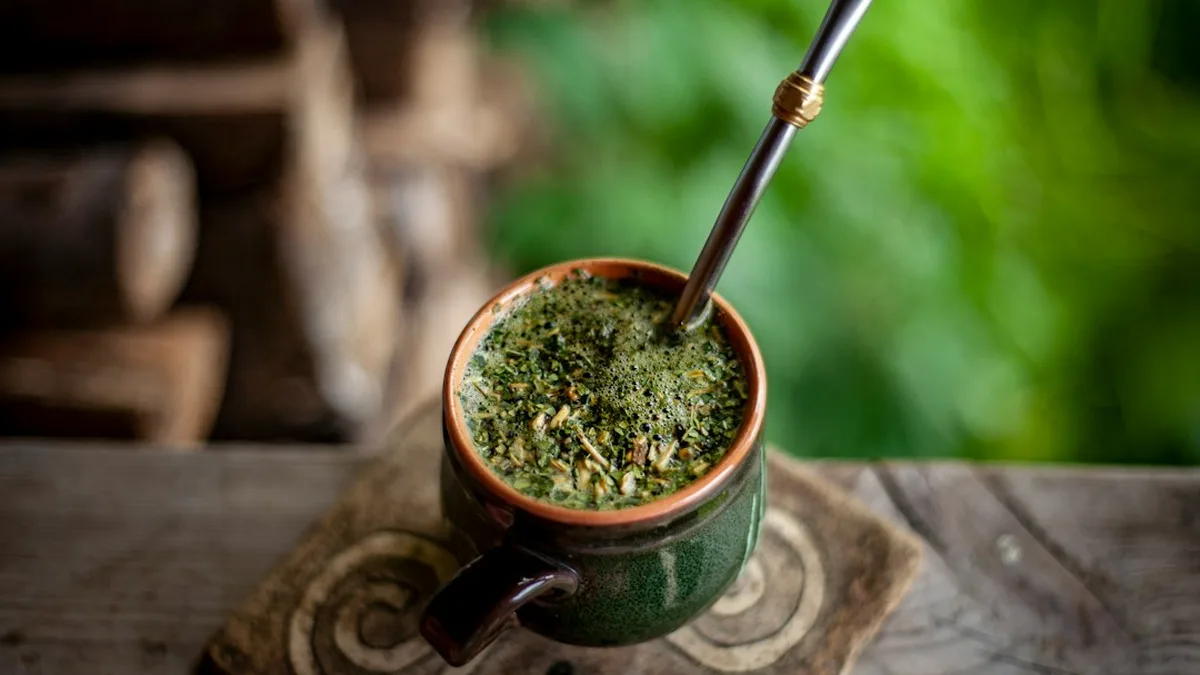
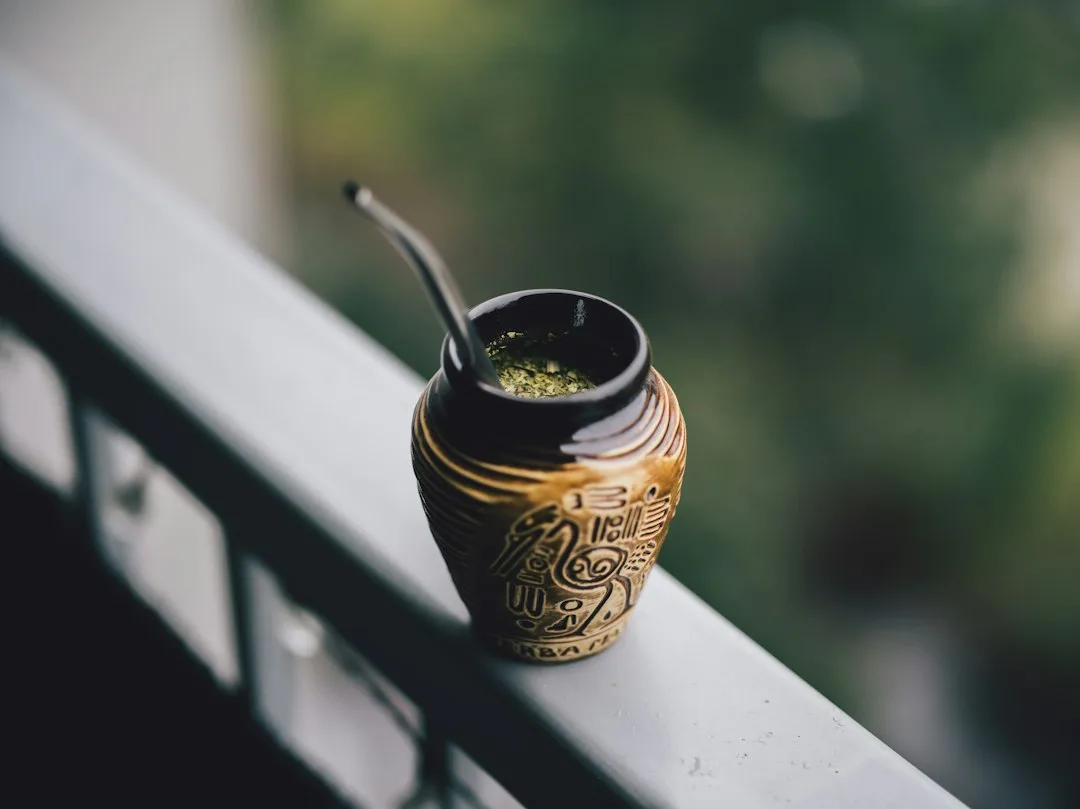
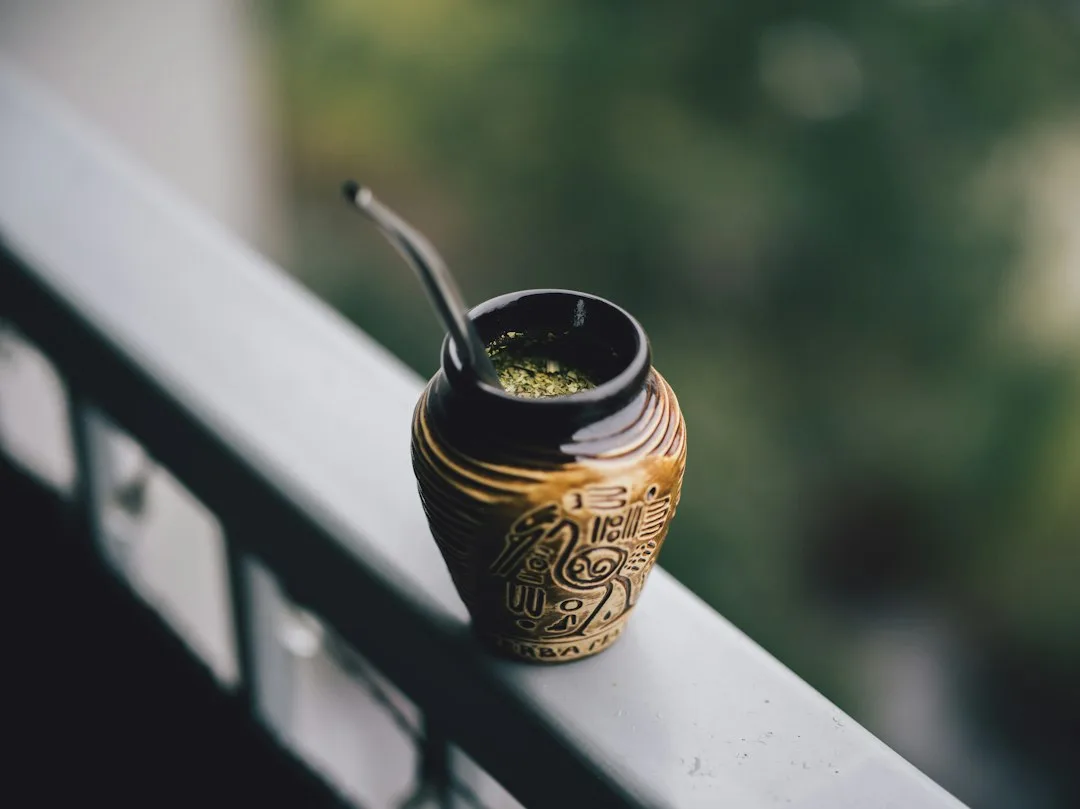
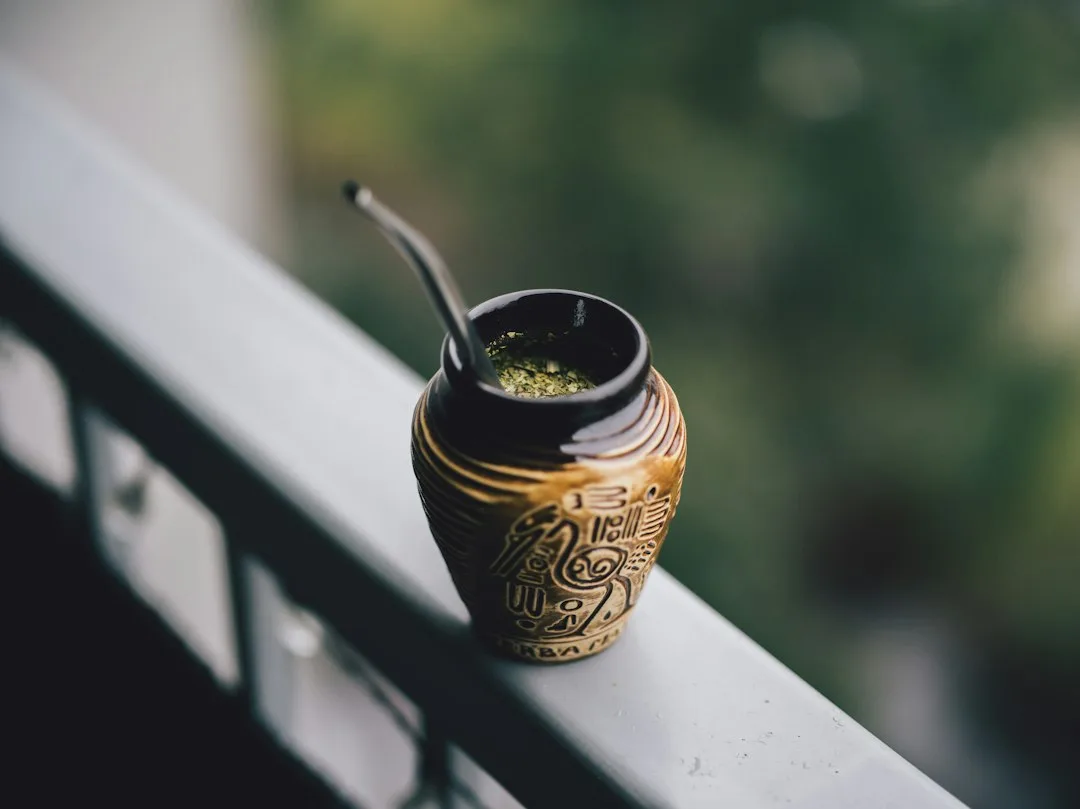
A typical serving of yerba mate is prepared by filling a gourd about three-quarters full with dried leaves, then adding hot (not boiling) water and sipping through a metal straw called a bombilla. This traditional method delivers a moderate, sustained caffeine dose.
For weight loss purposes, many people find success drinking yerba mate in the morning to kickstart metabolism and again in the early afternoon to maintain energy and curb cravings. Avoid drinking it late in the day, as the caffeine can interfere with sleep—and poor sleep is one of the biggest saboteurs of weight loss efforts.
It’s important to listen to your body. Pay attention to signs of overstimulation: jitteriness, rapid heartbeat, anxiety, or digestive discomfort. If you experience these symptoms, reduce your intake or switch to a lower-caffeine preparation method, such as cold-brewing.
Also, remember that yerba mate is not calorie-free if you add sweeteners, milk, or flavorings. Keep your preparation simple—plain or with a squeeze of lemon—to avoid turning a low-calorie beverage into a high-calorie indulgence. Consistency and moderation are more important than maximizing intake.
Does Yerba Mate Suppress Appetite? Exploring Its Weight Management Role
Appetite suppression is one of the most frequently cited benefits of yerba mate for weight loss. Many users report feeling less hungry and more satisfied after drinking it, which can make it easier to stick to a calorie deficit without constant cravings or willpower battles.
The appetite-suppressing effect likely comes from a combination of caffeine and other bioactive compounds. Caffeine is known to blunt hunger signals temporarily, and the polyphenols in yerba mate may slow gastric emptying—the rate at which food leaves your stomach—leading to prolonged feelings of fullness. Some people also find that the ritual of sipping yerba mate throughout the morning or afternoon keeps their hands and mind occupied, reducing mindless snacking.
However, appetite suppression is highly individual. Some people experience a noticeable reduction in hunger, while others feel no difference. Factors like baseline diet quality, stress levels, sleep, and hormonal balance all play a role. If you’re chronically sleep-deprived or under high stress, no amount of yerba mate will fully override the hunger-driving effects of cortisol and ghrelin dysregulation.
It’s also worth noting that appetite suppression is not always desirable. If you’re already eating too little or struggling with disordered eating patterns, using yerba mate to further reduce hunger can be counterproductive and even harmful. Sustainable weight loss requires adequate nutrition, not extreme restriction.
Use yerba mate as a tool to help manage cravings and stay on track with your meal plan, not as a way to skip meals or drastically cut calories. Pair it with balanced meals that include protein, fiber, and healthy fats to support satiety and metabolic health over the long term.
Common Mistakes and How to Avoid Them
Even with the best intentions, many people make avoidable mistakes when using yerba mate for weight loss. Here are the most common pitfalls and how to sidestep them:
- Drinking it too late in the day: Yerba mate contains caffeine, which can disrupt sleep if consumed in the afternoon or evening. Poor sleep sabotages weight loss by increasing hunger hormones and reducing willpower. Cut off yerba mate intake at least six hours before bedtime.
- Adding high-calorie sweeteners: Sugar, honey, flavored syrups, and full-fat milk can turn a low-calorie drink into a calorie bomb. If you need sweetness, try a small amount of stevia or drink it plain with lemon.
- Expecting it to work alone: Yerba mate is not a substitute for a calorie deficit, exercise, or healthy eating. It’s a supportive tool, not a magic solution. Focus on the fundamentals first.
- Ignoring caffeine sensitivity: If you’re sensitive to caffeine or already consume multiple sources (coffee, energy drinks, pre-workout), adding yerba mate can lead to overstimulation, anxiety, and digestive issues. Monitor your total daily caffeine intake.
- Using it to skip meals: Relying on yerba mate to suppress appetite and avoid eating can backfire by slowing your metabolism and triggering binge eating later. Use it to manage cravings between balanced meals, not to replace them.
By avoiding these mistakes, you’ll maximize the benefits of yerba mate while minimizing potential downsides.
Frequently Asked Questions
What is the most powerful tea for weight loss?
No single tea is universally “most powerful” for weight loss, as results depend on individual metabolism, diet, and lifestyle. Green tea and yerba mate are among the most studied for their caffeine and polyphenol content, which may support modest increases in fat oxidation and metabolism. Oolong tea and pu-erh tea also show promise. The best tea for you is one you enjoy and can drink consistently as part of a balanced weight loss plan.
Why do I feel weird after drinking yerba mate?
Feeling jittery, anxious, or experiencing a rapid heartbeat after drinking yerba mate usually indicates caffeine sensitivity or overconsumption. Yerba mate contains more caffeine than green tea, and if you’re not accustomed to it, your body may react strongly. Other possible causes include drinking it on an empty stomach or combining it with other caffeine sources. Start with a smaller serving, drink it with food, and monitor your total daily caffeine intake to reduce discomfort.
How long does yerba mate take to kick in?
The caffeine is absorbed relatively quickly, leading to increased alertness, energy, and focus. Individual timing can vary based on factors like stomach contents, caffeine tolerance, and preparation method.
Is yerba mate similar to Ozempic?
No, yerba mate is not similar to Ozempic. Yerba mate is a natural herbal tea with mild, supportive effects on metabolism and appetite. It does not replicate the pharmacological action of Ozempic and should not be considered a substitute for medical weight loss treatments.
Practical Tips for Incorporating Yerba Mate into Your Routine
If you’re ready to try yerba mate as part of your weight loss strategy, here are concrete steps to integrate it effectively:
- Keep it simple: Avoid adding sugar, cream, or high-calorie flavorings. Drink it plain, with lemon, or with a small amount of zero-calorie sweetener if needed.
- Pair it with balanced meals: Use yerba mate to support, not replace, nutritious meals that include protein, fiber, and healthy fats. This combination maximizes satiety and metabolic health.
- Adjust your intake based on what you observe.
- Stay hydrated: Caffeine has a mild diuretic effect, so drink plenty of water throughout the day to stay hydrated and support overall health.
Remember, consistency matters more than perfection. Find a routine that fits your lifestyle and stick with it.
The Cultural Context and Traditional Preparation
Yerba mate is more than a weight loss tool—it’s a deeply rooted cultural tradition in countries like Argentina, Uruguay, Paraguay, and southern Brazil. Drinking yerba mate is a social activity, often shared among friends and family as a symbol of hospitality and friendship. Understanding this context can enrich your experience and appreciation of the drink.
Traditional preparation involves filling a mate (gourd) about three-quarters full with dried yerba mate leaves, then pouring hot (but not boiling) water into the gourd. A metal straw called a bombilla is inserted to sip the infusion. The same leaves are refilled with water multiple times, with each infusion offering a slightly different flavor profile.
While you don’t need traditional equipment to enjoy yerba mate, trying the authentic method can be a rewarding ritual. The slow, mindful process of preparing and sipping yerba mate encourages you to pause, breathe, and connect—qualities that support mindful eating and stress management, both of which are essential for sustainable weight loss.
If traditional preparation feels intimidating, start with tea bags or loose-leaf yerba mate in a French press or teapot. You’ll still get the benefits, and you can always explore traditional methods later.
Final Thoughts: Yerba Mate as Part of a Holistic Approach
Yerba mate tea and weight loss can work together when you approach it as one piece of a larger puzzle. The evidence suggests yerba mate may support modest increases in metabolism, fat oxidation, and appetite control—but these effects are not dramatic and won’t replace the fundamentals of sustainable weight management: a balanced diet, regular physical activity, adequate sleep, and stress management.
If you’re drawn to yerba mate for its cultural richness, unique flavor, and gentle energy boost, it can be a valuable addition to your daily routine. Drink it mindfully, avoid common mistakes, and track your individual response. Be patient and realistic with your expectations, and remember that lasting weight loss is a marathon, not a sprint.
Before making any significant changes to your diet or adding new supplements, consult a healthcare provider—especially if you have underlying health conditions, take medications, or are pregnant or breastfeeding. Yerba mate is generally safe for most people when consumed in moderation, but individual circumstances vary.
Start small, stay consistent, and let yerba mate support—not replace—the proven strategies that lead to long-term success.