Pu-Erh Tea for Weight Loss: Science-Backed Benefits & How to Use It
Pu-erh tea for weight loss has gained attention among tea drinkers and health enthusiasts searching for natural ways to shed pounds. This fermented tea from China’s Yunnan Province offers unique compounds that may support fat metabolism and gut health.
Disclaimer: This article is for informational purposes only and does not constitute medical or weight-loss advice. Always consult a healthcare professional before making changes to your diet or starting any weight-loss regimen, especially if you have underlying health conditions.
Get the Skinny on Pu’er for Weight Loss
Pu-erh tea is a fermented tea made from the leaves of Camellia sinensis var. assamica, traditionally produced in China’s Yunnan Province.
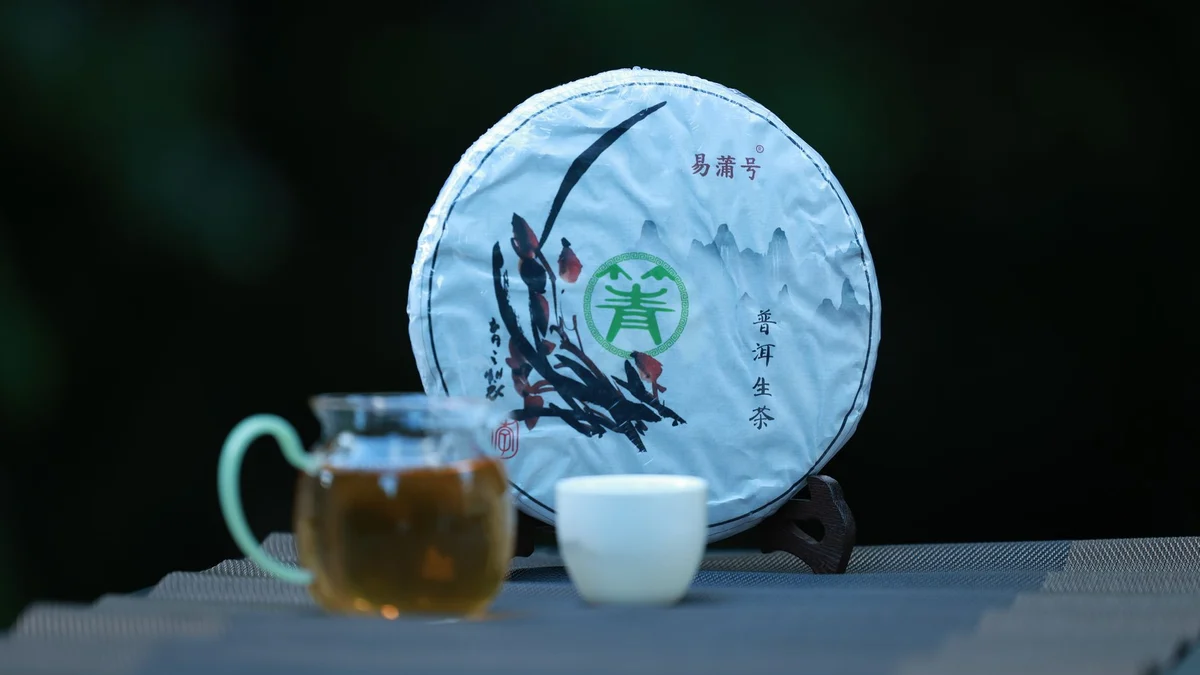
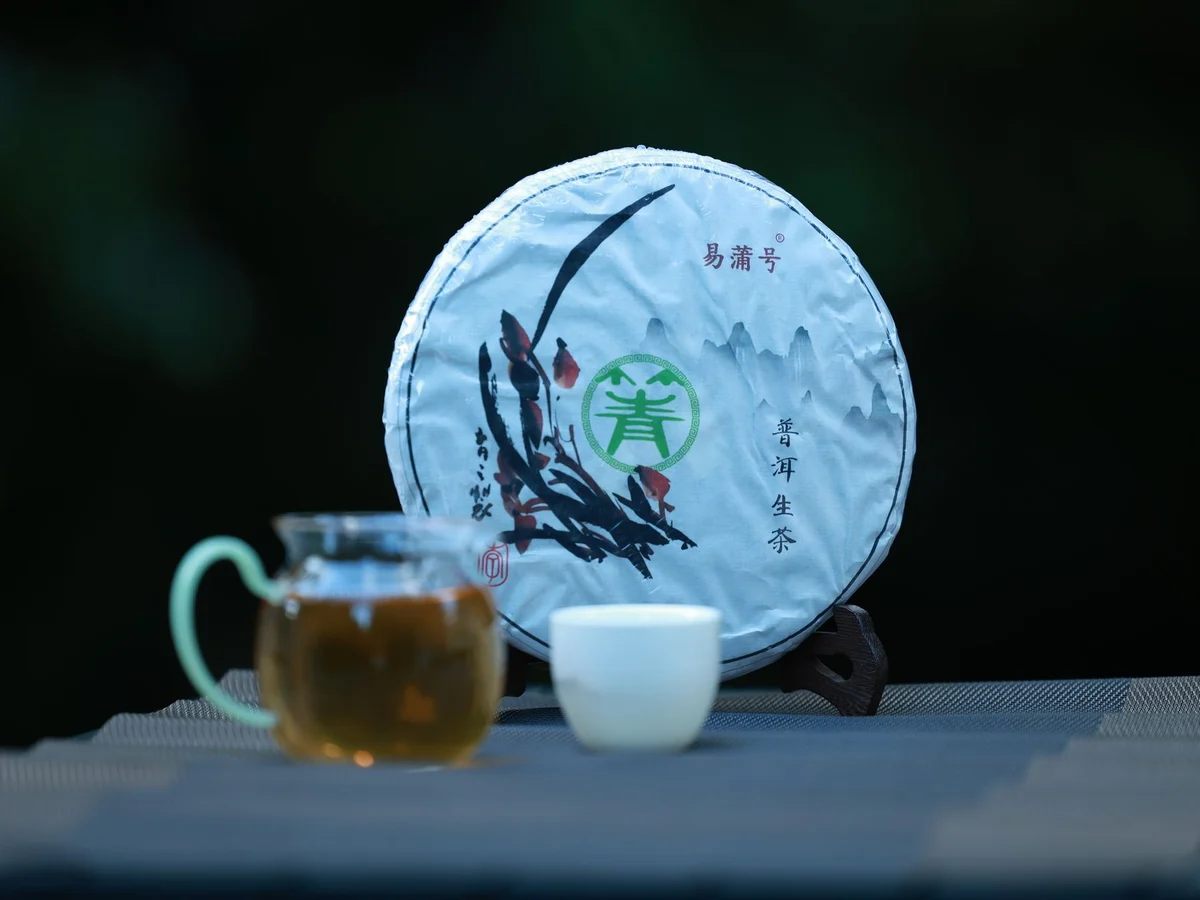
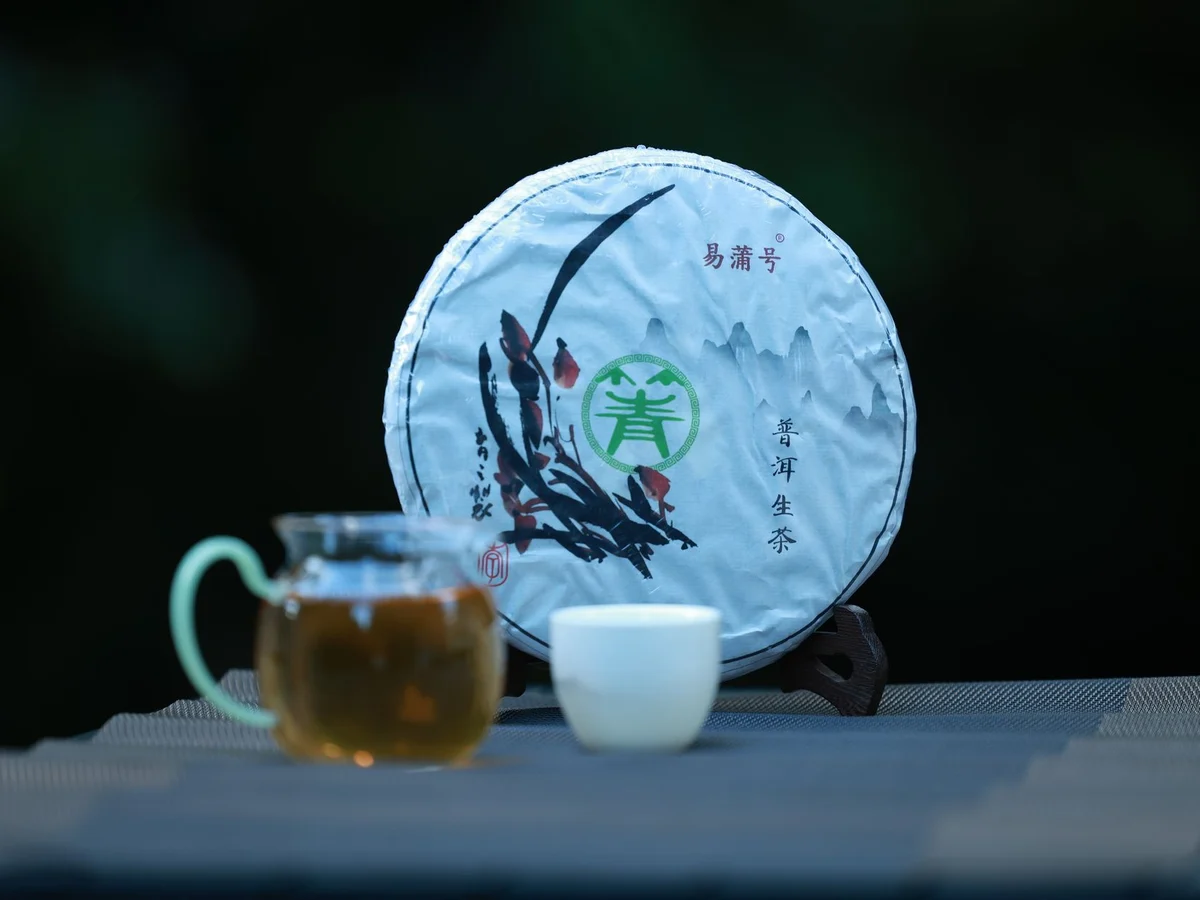
There are two main types: raw pu-erh (naturally fermented over time) and ripened pu-erh (accelerated fermentation through a pile-fermentation process). Pu-erh tea is produced in Yunnan, China by microbial fermentation of fresh Camellia sinensis leaves, which distinguishes it from other tea varieties.
The fermentation process creates theabrownin, a pigment that gives pu-erh its dark color and earthy flavor. Theabrownin is one of the most active and abundant pigments in Pu-erh tea, and it plays a key role in the tea’s potential weight-management properties.
Many first-time drinkers describe the taste as “earthy” or even “dirt-like,” which can be off-putting. If you’re struggling with the flavor, try starting with ripened pu-erh, which tends to be smoother and less astringent than raw varieties. Pairing it with a light meal or adding a small amount of natural sweetener can also help.
The appeal of pu-erh for weight loss lies in its unique fermentation-derived compounds and their interaction with your gut microbiome. Unlike quick-fix diet teas, pu-erh works gradually by supporting metabolic processes rather than forcing rapid water loss.
The Science Behind Pu-Erh Tea and Fat Metabolism
Pu-erh tea consumption reduced body weight, serum and hepatic levels of total cholesterol, total triglyceride, and low-density lipoprotein-cholesterol in rats, mice, and human subjects. These findings suggest pu-erh may influence multiple pathways related to fat storage and metabolism.
This dual action could theoretically support gradual, sustainable weight loss when combined with calorie control and physical activity.
Pu-erh tea displays cholesterol-lowering properties, which may indirectly support weight management by improving overall metabolic health.
This means you shouldn’t expect dramatic results from a daily cup or two. Realistic expectations are key: pu-erh is a supportive tool, not a standalone solution.
How Theabrownin Influences Your Gut Microbiome
One of the most fascinating aspects of pu-erh tea is how it interacts with the trillions of bacteria living in your digestive system. The fermentation process introduces beneficial microbes and creates compounds that feed helpful gut bacteria.

Theabrownin alters the gut microbiota in mice and humans, predominantly suppressing microbes associated with bile-salt hydrolase (BSH) activity. This suppression leads to increased levels of conjugated bile acids in the intestine, which affects how your body processes cholesterol and fat.
When bile-salt hydrolase activity decreases, your liver must produce more bile acids from cholesterol, effectively pulling cholesterol out of circulation.
Ripened Pu-erh tea exhibited a probiotic role to beneficial gut bacteria such as lactobacillus and Prevotella. These bacteria are associated with improved digestion, better blood sugar control, and reduced inflammation—all factors that can indirectly support weight management.
Think of pu-erh as a prebiotic beverage that feeds the good bacteria already in your gut. Over time, a healthier gut microbiome may improve your body’s ability to regulate appetite, extract energy from food, and manage inflammation.
However, the gut microbiome is complex and highly individual. What works for one person may not work identically for another, which explains why some people report significant benefits from pu-erh while others notice little difference.
Ripened vs. Raw Pu-Erh: Which Type Works Better?
The two types of pu-erh tea—ripened and raw—differ significantly in their chemical composition and potential health effects. Understanding these differences can help you choose the right variety for your goals.
Ripened Pu-erh tea (RIPT) showed more potent anti-diabetic effects on two-hour postprandial blood glucose and fasting blood glucose than raw Pu-erh tea (RAPT). This suggests ripened pu-erh may be more effective for blood sugar management, which plays a role in appetite control and fat storage.
Seventeen newly formed components were identified in ripened Pu-erh tea after fermentation. These compounds, including increased levels of quinic acid, gallic acid, and caffeine, contribute to ripened pu-erh’s unique biological activity.
Raw pu-erh undergoes natural aging over years or decades, developing complexity and smoothness over time. Ripened pu-erh achieves similar microbial transformation in a matter of months through controlled pile-fermentation. For weight-loss purposes, ripened pu-erh appears to offer more immediate benefits due to its higher concentration of fermentation-derived compounds.
Taste-wise, ripened pu-erh tends to be smoother, earthier, and less astringent than raw pu-erh, making it more approachable for beginners. If you’re new to pu-erh and concerned about the flavor, start with a quality ripened variety.
| Characteristic | Ripened Pu-Erh | Raw Pu-Erh |
|---|---|---|
| Fermentation time | Months (accelerated) | Years to decades (natural) |
| Flavor profile | Smooth, earthy, mellow | Astringent, complex, evolving |
| Blood sugar impact | More potent effects observed | Less potent effects observed |
| Probiotic content | Higher due to pile-fermentation | Lower, develops with age |
| Best for beginners | Yes | No |
How to Brew Pu-Erh Tea for Maximum Benefit
Proper brewing technique matters when you’re drinking pu-erh for health benefits. The traditional Chinese method involves multiple short infusions, which extracts different compounds at each stage.
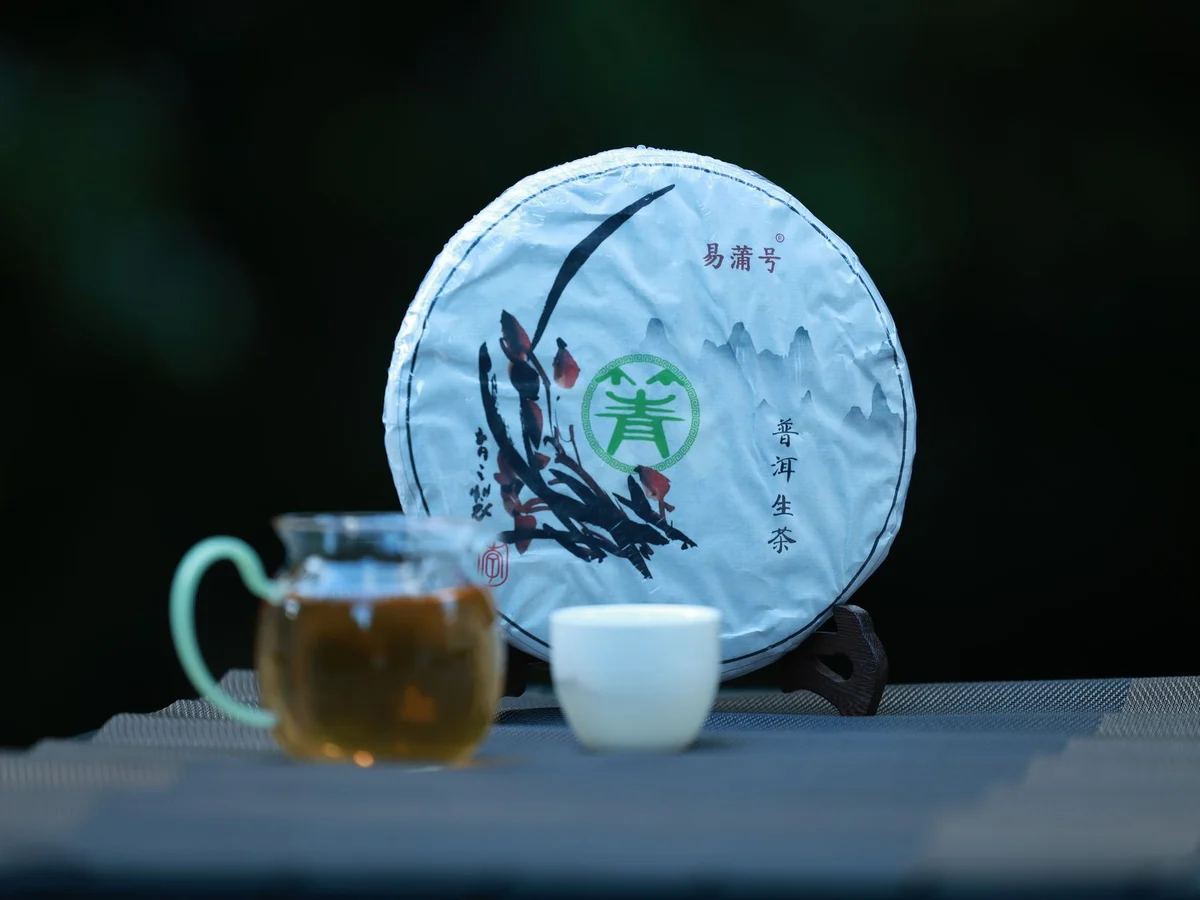
Start by rinsing your pu-erh. Place your tea leaves (loose or broken from a compressed cake) in a teapot or gaiwan, pour hot water over them, and immediately discard this first rinse. This step removes dust and surface impurities while “waking up” the leaves. Twenty-five toxic metabolites, mainly of fungal origin, were detected in Pu-erh teas, supporting the traditional practice of discarding the first infusion.
Boiling water works well for ripened varieties, while raw pu-erh benefits from a gentler approach to avoid excessive bitterness.
This ratio is stronger than typical Western brewing but allows for multiple infusions. If you prefer a milder cup, use less tea or more water, but maintain the short steeping times.
Avoid adding milk, which can bind to beneficial compounds and reduce their bioavailability. If you must sweeten your tea, use a minimal amount of natural sweetener and add it only after the tea has cooled slightly.
Common Brewing Mistakes to Avoid
- Skipping the rinse step, which leaves dust and surface contaminants in your cup
- Using water that’s too cool, resulting in weak extraction of active compounds
- Steeping too long on the first infusion, creating excessive bitterness
- Throwing away the leaves after one infusion, wasting most of the tea’s potential
- Using poor-quality tea with mold or off-flavors, which can cause digestive upset
Best Times to Drink Pu-Erh for Weight Loss
When you drink pu-erh matters almost as much as how you brew it. Strategic timing can maximize benefits while minimizing potential sleep disruption from caffeine.
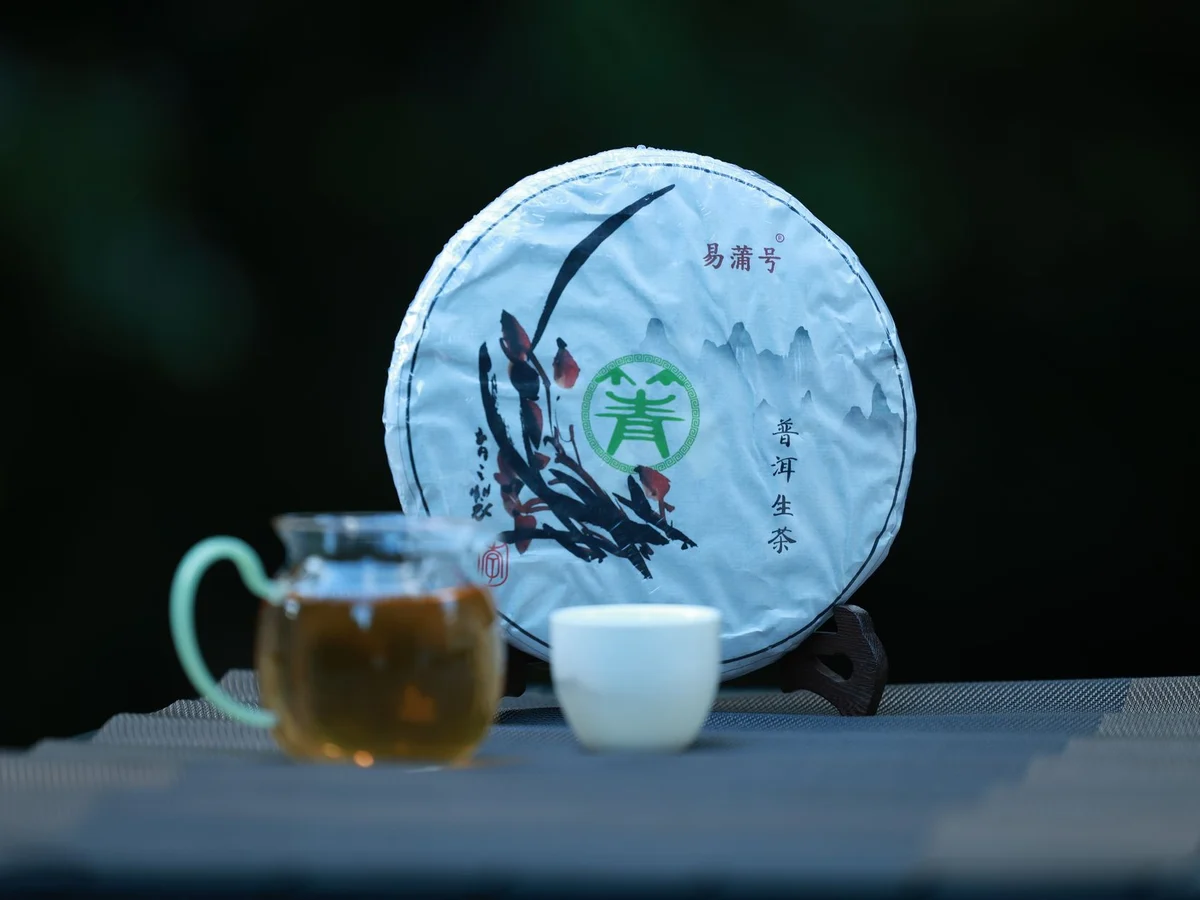
Morning consumption, ideally on an empty stomach or with a light breakfast, may help kickstart your metabolism for the day. The caffeine content provides gentle energy without the jitters many people experience from coffee. If you have a sensitive stomach, pair your morning pu-erh with a small amount of food.
Ripened Pu-erh tea showed more potent anti-diabetic effects on two-hour postprandial blood glucose, suggesting post-meal consumption could be particularly beneficial.
This timing also leaves enough buffer before bedtime to avoid sleep disruption.
Consistency matters more than perfection. Drinking pu-erh daily, rather than sporadically, allows the gut microbiome benefits to accumulate over time.
Is It Okay to Drink Pu-Erh Tea at Night?
Drinking pu-erh tea at night depends on your individual caffeine sensitivity. While pu-erh contains less caffeine than coffee, it still provides enough stimulation to disrupt sleep in sensitive individuals. If you enjoy evening tea, consider switching to a caffeine-free herbal blend after dinner, saving your pu-erh for morning and afternoon sessions.
Realistic Weight Loss Expectations from Pu-Erh Tea
One of the biggest sources of disappointment with any weight-loss aid is unrealistic expectations. Pu-erh tea is not a miracle solution, and understanding what it can and cannot do will help you use it effectively.
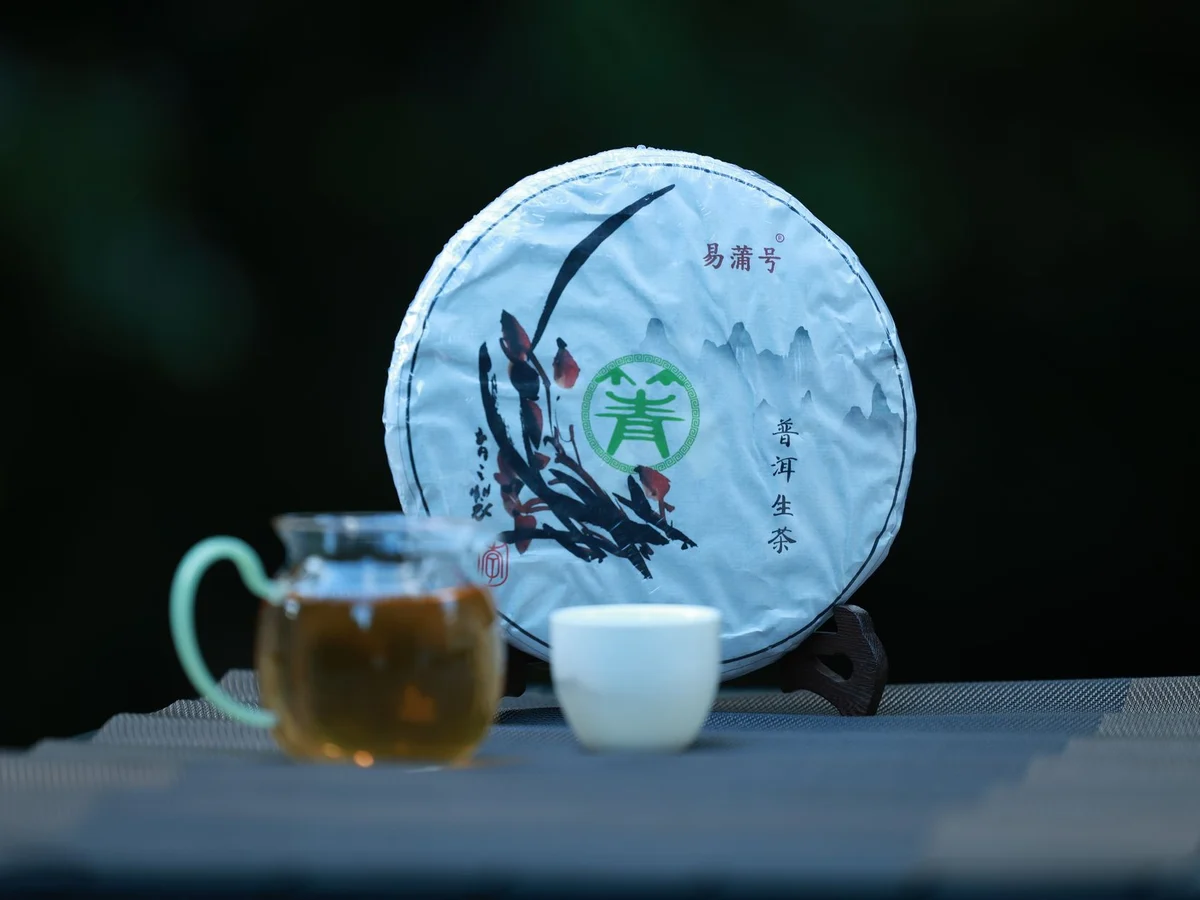
It may slightly increase your daily calorie burn, modestly improve fat metabolism, and help control appetite through better blood sugar regulation. These small effects compound over weeks and months when combined with a calorie-controlled diet and regular physical activity.
Pu-erh works best as part of a comprehensive approach that includes balanced nutrition, regular movement, adequate sleep, and stress management. It’s the supporting actor, not the lead role, in your weight-loss story.
What Results Look Like in Real Life
- Slightly reduced cravings for sweet or fatty foods
- Improved digestion and more regular bowel movements
- Modest reduction in bloating and water retention
- Better energy levels throughout the day
Comparing Pu-Erh to Other Weight-Loss Teas
Pu-erh isn’t the only tea marketed for weight loss. Understanding how it compares to other varieties can help you make an informed choice or even combine different teas strategically.
The catechins in green tea, particularly EGCG, have well-documented metabolic effects. However, green tea lacks the probiotic benefits of fermented pu-erh.
Oolong tea, which is partially oxidized, falls between green and black tea in processing. Oolong offers a middle ground in flavor between the grassy notes of green tea and the earthiness of pu-erh.
White tea, the least processed variety, contains high levels of catechins and may help break down fat cells while preventing new fat cell formation. Its delicate flavor appeals to those who find pu-erh too strong.
Black tea contains flavonoids that aid fat metabolism and may reduce calorie absorption. It also influences gut bacteria to decrease visceral fat. Black tea offers robust flavor without the acquired taste of pu-erh.
| Tea Type | Primary Mechanism | Taste Profile | Best For |
|---|---|---|---|
| Pu-erh | Gut microbiome modulation, bile acid metabolism | Earthy, smooth to astringent | Long-term metabolic support, cholesterol management |
| Green | Catechins (EGCG), thermogenesis | Grassy, vegetal, light | Immediate metabolic boost, antioxidant benefits |
| Oolong | Polyphenols, energy expenditure | Floral to roasted, complex | Balanced approach, flavor variety |
| White | Catechins, fat cell inhibition | Delicate, subtle, sweet | Gentle support, sensitive palates |
| Black | Flavonoids, gut bacteria modulation | Robust, malty, bold | Coffee replacement, strong flavor preference |
Potential Side Effects and Safety Considerations
While pu-erh tea is generally safe for most people, it’s not without potential drawbacks. Understanding these risks helps you consume it responsibly.
Caffeine sensitivity is the most common issue. Pu-erh contains less caffeine than coffee but more than some other teas. Excessive consumption can lead to insomnia, anxiety, increased heart rate, and digestive upset.
The fermentation process can occasionally produce unwanted compounds. Twenty-five toxic metabolites, mainly of fungal origin, were detected in Pu-erh teas. While these are typically at low levels, always rinse your tea before drinking and purchase from reputable sources that test for contaminants.
Pu-erh tea can interact with certain medications, particularly those metabolized by the liver. If you take prescription medications, consult your healthcare provider before adding pu-erh to your routine. This is especially important for blood thinners, blood pressure medications, and diabetes drugs.
Some people experience digestive discomfort when first introducing pu-erh, particularly if consuming it on an empty stomach. Start with small amounts and gradually increase as your system adapts. If digestive issues persist, try drinking it with food or switching to a different variety.
Consult your healthcare provider before consuming pu-erh if you’re pregnant, nursing, or planning to become pregnant.
Signs You Should Stop or Reduce Pu-Erh Consumption
- Persistent sleep disturbances or insomnia
- Increased anxiety, jitteriness, or heart palpitations
- Ongoing digestive upset, nausea, or acid reflux
- Headaches or dizziness after consumption
- Unusual fatigue or weakness
How to Choose Quality Pu-Erh Tea
Not all pu-erh tea is created equal. Quality varies dramatically, affecting both taste and potential health benefits. Here’s what to look for when shopping.
Source matters. Authentic pu-erh comes from Yunnan Province, China, where the climate and soil produce the large-leaf tea variety used in traditional production. Be wary of generic “pu-erh” from other regions, which may not undergo proper fermentation.
For beginners, ripened pu-erh from reputable vendors offers the best entry point.
Examine the leaves (if buying loose tea) or the appearance of compressed cakes. Quality pu-erh should have intact leaves with minimal dust or stems. The color should be consistent—dark brown to black for ripened, greenish-brown for raw. Avoid tea with visible mold (white or colored fuzzy growth), though a light white frost on aged raw pu-erh is normal.
Smell the dry tea. It should have an earthy, pleasant aroma without musty, moldy, or chemical odors. If the smell is off-putting or reminds you of a damp basement, choose a different tea.
Price reflects quality to a point. However, you don’t need to spend hundreds on aged cakes for daily drinking.
Trusted Purchase Channels
- Specialty tea shops with knowledgeable staff who can guide your selection
- Reputable online tea vendors with detailed product descriptions and customer reviews
- Direct importers who source from verified Yunnan producers
- Tea subscription services that include pu-erh in their offerings
Combining Pu-Erh with Diet and Exercise
Pu-erh tea delivers its best results when integrated into a comprehensive weight-loss strategy. Here’s how to maximize its potential through smart lifestyle choices.
Pair your pu-erh consumption with a moderate calorie deficit. The tea may slightly increase your metabolic rate, but you still need to consume fewer calories than you burn to lose weight.
Use pu-erh strategically to replace high-calorie beverages. Replacing afternoon soda or juice with pu-erh cuts sugar intake and may reduce cravings.
Time your pu-erh consumption around meals and workouts.
Focus on whole, minimally processed foods to complement pu-erh’s effects on gut health. A diet rich in vegetables, fruits, lean proteins, and whole grains provides the fiber and nutrients your gut bacteria need to thrive. This creates a synergistic effect with pu-erh’s probiotic properties.
Maintain consistent physical activity.
Common Mistakes When Using Pu-Erh for Weight Loss
Even with the best intentions, people often make errors that limit pu-erh’s effectiveness or lead to disappointment. Avoid these common pitfalls.
Expecting rapid results is the biggest mistake. Pu-erh works gradually through metabolic and microbiome changes that take weeks to manifest. If you’re looking for quick weight loss, you’ll be disappointed. Patience and consistency are essential.
Drinking pu-erh while maintaining poor dietary habits won’t produce results. You can’t out-tea a bad diet. If you’re consuming excess calories from processed foods, sugary drinks, or large portions, pu-erh won’t compensate for these choices.
Using low-quality or improperly stored pu-erh limits potential benefits and may introduce unwanted compounds. Moldy or contaminated tea can cause digestive issues rather than supporting gut health. Invest in quality tea from reputable sources.
Consuming too much pu-erh in an attempt to accelerate results often backfires. Excessive caffeine intake can disrupt sleep, increase stress hormones, and trigger digestive upset—all of which can impair weight loss.
Neglecting proper brewing technique wastes tea and limits extraction of beneficial compounds. Using water that’s too cool, steeping for too short a time, or discarding leaves after one infusion means you’re not getting the full benefit of your tea.
Adding excessive sweeteners or milk negates some of pu-erh’s benefits. If you must sweeten, use minimal amounts of natural sweeteners and avoid dairy, which can bind to beneficial polyphenols.
Success Checklist
- Maintain a moderate calorie deficit through balanced nutrition
- Manage stress through mindfulness, meditation, or other relaxation techniques
- Stay hydrated with water throughout the day in addition to tea
Understanding the Gut-Liver Axis and Pu-Erh
The connection between your gut microbiome and liver function plays a crucial role in how pu-erh tea influences weight management. This gut-liver axis represents a complex communication network that affects metabolism, fat storage, and cholesterol regulation.
When you drink pu-erh tea, theabrownin and other fermentation-derived compounds reach your intestines and interact with gut bacteria. Theabrownin alters the gut microbiota in mice and humans, predominantly suppressing microbes associated with bile-salt hydrolase (BSH) activity.
This suppression of bile-salt hydrolase has downstream effects. Normally, BSH enzymes produced by gut bacteria break down conjugated bile acids into unconjugated forms that can be reabsorbed. When BSH activity decreases, more conjugated bile acids remain in the intestine and are excreted.
Your liver must then produce new bile acids from cholesterol to replace those lost in feces. This process pulls cholesterol from your bloodstream, reducing serum cholesterol levels. The increased bile acid production also triggers metabolic changes that reduce fat synthesis in the liver.
When conjugated bile acids accumulate in the intestine, they inhibit this pathway, which normally signals the liver to stop making bile acids. With the pathway suppressed, bile acid production continues, further depleting cholesterol stores.
This elegant mechanism explains why pu-erh tea can influence cholesterol and fat metabolism without directly “burning fat” in the way many people imagine. Instead, it modulates the biochemical pathways that regulate how your body produces, stores, and eliminates fats and cholesterol.
Pu-Erh Tea and Blood Sugar Management
Blood sugar control is intimately connected to weight management. When blood sugar spikes and crashes throughout the day, it triggers hunger, cravings, and fat storage. Pu-erh tea may help smooth out these fluctuations.
Ripened Pu-erh tea (RIPT) showed more potent anti-diabetic effects on two-hour postprandial blood glucose and fasting blood glucose than raw Pu-erh tea (RAPT). This suggests ripened pu-erh may be particularly beneficial for people struggling with blood sugar-related weight gain.
The mechanisms behind these blood sugar effects are still being investigated, but likely involve multiple pathways. Polyphenols in pu-erh may slow the digestion of carbohydrates, leading to more gradual glucose absorption. The probiotic effects on gut bacteria may improve insulin sensitivity over time.
This timing may help moderate the post-meal blood sugar spike, reducing the insulin response that promotes fat storage.
However, pu-erh tea is not a substitute for proper blood sugar management through diet, exercise, and medication (if prescribed). If you have diabetes or pre-diabetes, work with your healthcare provider to monitor how pu-erh affects your blood sugar levels, as it may interact with diabetes medications.
Is Pu-Erh Tea Higher in Caffeine Than Coffee?
No, pu-erh tea contains significantly less caffeine than coffee. A typical cup of pu-erh tea contains approximately one-third to one-half the caffeine of an equivalent cup of coffee. However, caffeine content varies based on brewing strength, steeping time, and the specific tea. If you’re sensitive to caffeine, monitor your response and adjust consumption accordingly.
Addressing the Taste Challenge
The earthy, sometimes musty flavor of pu-erh tea is a significant barrier for many people. If you’re struggling to “suffer through it,” as one tea drinker put it, these strategies can help.
Start with higher-quality ripened pu-erh from reputable vendors. Lower-quality pu-erh often has harsh, unpleasant flavors that make it difficult to drink consistently. Better tea is smoother and more enjoyable, making it easier to stick with your routine.
Adjust your brewing parameters. If your pu-erh tastes too strong or bitter, use less tea, cooler water, or shorter steeping times. There’s no single “correct” way to brew—find the balance that produces a cup you actually want to drink.
Try blending pu-erh with other teas or natural flavorings. A small amount of chrysanthemum flowers, dried citrus peel, or a slice of fresh ginger can complement pu-erh’s earthiness without overwhelming it. Some vendors offer pre-blended pu-erh teas designed for more approachable flavor.
Give your palate time to adapt. Many acquired tastes seem strange at first but become enjoyable with repeated exposure. You may find that what initially tasted like dirt begins to reveal subtle sweetness, woodsy notes, and pleasant complexity.
If you genuinely cannot tolerate pu-erh after giving it a fair try, don’t force it. Other teas like green, oolong, or white tea offer metabolic benefits with more accessible flavors. The best tea for weight loss is the one you’ll actually drink consistently.
The Role of Consistency and Lifestyle Integration
The difference between people who see results from pu-erh tea and those who don’t often comes down to consistency and integration into daily life. Drinking pu-erh sporadically won’t produce meaningful effects.
Build a tea ritual that fits your schedule and preferences. Whether it’s a morning brewing session, an afternoon tea break, or a post-dinner cup, consistent timing helps establish the habit. Many people find that the ritual itself—heating water, rinsing leaves, watching the color develop—becomes a mindful practice that supports stress management and healthy eating patterns.
Track your consumption and results over time. Note how many cups you drink daily, when you drink them, and how you feel. This long-term perspective prevents you from abandoning the practice prematurely.
Integrate pu-erh into a broader wellness routine. Use it as an anchor habit that reminds you of your health goals. When you brew pu-erh, you’re making a choice that aligns with weight management, which can positively influence your food choices and activity level throughout the day.
Be flexible and adjust as needed. That’s okay—individual responses vary, and other approaches may work better for your unique physiology.
What Is the Most Powerful Tea for Weight Loss?
No single tea is universally “most powerful” for weight loss, as effectiveness depends on individual metabolism, lifestyle factors, and consistency. The most powerful tea for you is the one you’ll drink consistently as part of a comprehensive weight-loss strategy that includes calorie control and regular physical activity.
What Is the Unhealthiest Tea to Drink?
The unhealthiest teas are typically those contaminated with pesticides, heavy metals, or mold, or those with excessive added sugars and artificial ingredients. Low-quality pu-erh or other fermented teas from questionable sources may contain harmful mycotoxins. Always purchase tea from reputable vendors who test for contaminants, and avoid pre-sweetened tea drinks with added sugars, which can undermine weight-loss efforts.
Final Thoughts: Making Pu-Erh Work for You
Pu-erh tea for weight loss offers a scientifically supported, natural approach to supporting your metabolism and gut health.
The key is managing expectations and committing to consistency. Pu-erh works gradually through mechanisms like gut microbiome modulation, bile acid metabolism, and blood sugar regulation. These effects accumulate over weeks and months, not days.
Track your progress and adjust as needed.
If the taste is a barrier, experiment with brewing parameters, try different varieties, or consider blending. The best approach is one you can sustain long-term. Remember that pu-erh is a supporting tool in your weight-loss journey, not the entire solution.
Important reminder: This information is for educational purposes only. Always consult with a healthcare professional before starting any new dietary regimen, especially if you have underlying health conditions, take medications, or are pregnant or nursing. Individual results will vary, and pu-erh tea is not a substitute for professional medical advice or treatment.
Whether you’re at “tea o’clock” right now or planning your first pu-erh session, approach it with realistic expectations, patience, and a commitment to overall healthy habits. That’s the formula for making pu-erh tea work as part of your weight-loss success story.